Specialist, Design (Designer/Drafter)
About this role
L3Harris is dedicated to recruiting and developing high-performing talent who are passionate about what they do. Our employees are unified in a shared dedication to our customers’ mission and quest for professional growth. L3Harris provides an inclusive, engaging environment designed to empower employees and promote work-life success. Fundamental to our culture is an unwavering focus on values, dedication to our communities, and commitment to excellence in everything we do. L3Harris is the Trusted Disruptor in defense tech. With customers’ mission-critical needs always in mind, our employees deliver end-to-end technology solutions connecting the space, air, land, sea and cyber domains in the interest of national security. Job Title: Specialist, Designer (Designer/Drafter) Job Code: 41818 J
About design roles
Design roles range from UX research and product design (problem-finding) to visual/brand work (problem-expressing). Most companies hire generalists who can do both. Portfolio quality usually beats credentials.
Typical skills: Figma, prototyping, type/color fundamentals; senior roles add design systems and cross-functional facilitation
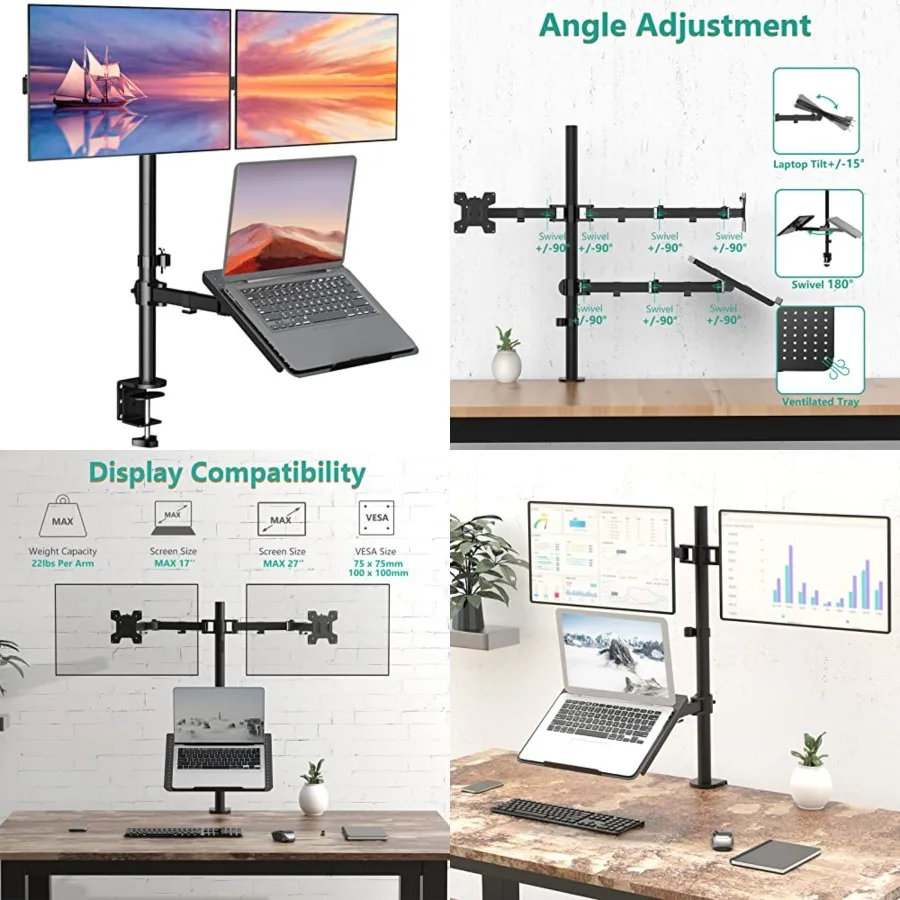
Gear that helps in this role
Common design desk gear:
Affiliate links — small commission to us at no extra cost to you.
Salary insights (US, rough)
Typical range for design roles in the US is $65,000–$180,000/year, varying widely with seniority, company stage, and city.
Estimates only. For company-specific numbers, check levels.fyi (tech), Glassdoor, or ask in the interview.
How to prep for the interview
Design interviews always include a portfolio review — 1–2 case studies presented in 30–45 minutes each. The interviewer is looking for: how you frame the problem, your process (research → ideation → iteration), tradeoffs you made, and what you'd do differently. Don't just show pretty final screens; show the messy middle.
You may also get a whiteboard / design exercise ("redesign the checkout flow for X") and a behavioral round on collaborating with engineers and PMs. Read the company's existing product before the interview — referencing specific screens or flows during your conversation signals you actually care about the role.
Where this role typically leads
Designer progression: Junior → Mid → Senior → Staff / Principal Designer, with parallel tracks for design management (Design Manager → Head of Design → VP Design). At big tech, the IC track now pays competitively with management up through Principal — pick based on what energizes you, not assumed pay.
The biggest skill jump: going from "executes well on a clear brief" to "frames the problem and defines the brief" (mid-to-senior), then "sets visual + interaction direction across multiple teams" (senior-to-staff). Strong portfolio = career velocity. Build a habit of writing up your work in case-study form even when you're not job-hunting.
Red flags to watch for
- "Designer needed to make things pretty." Real design is problem-solving, not decoration. Companies that frame it this way will fight you on every UX recommendation.
- No mention of research or testing. Means design happens in a vacuum, often pushed back at the last minute by stakeholders.
- "Pixel-perfect" repeated. Either the engineering team is non-collaborative or the role is glorified hand-off work.
- No design system mentioned at a company >50 people. You'll spend your first 6 months building one instead of shipping product work.
Frequently asked questions
How do I apply to this role?
Click the "Apply on Jsearch" button at the top of this page. You'll be sent to the original posting where the employer accepts applications. Wikishopline doesn't collect resumes or process applications.
Is this listing current?
Wikishopline aggregates jobs daily from partner sources (jsearch). Postings older than ~14 days are pruned, but always verify the role is still open on the employer's site before you spend time on a cover letter.
Does Wikishopline charge employers or applicants?
No. Aggregated jobs are free for both sides. Wikishopline also accepts $5 / 30-day paid postings at /jobs/submit for employers who want direct visibility — but the listing you're viewing was sourced from a partner.
What does a design role typically involve?
Design roles range from UX research and product design (problem-finding) to visual/brand work (problem-expressing). Most companies hire generalists who can do both. Portfolio quality usually beats credentials.
What's the typical salary range for design roles in the US?
Roughly $65,000–$180,000 USD/year, depending on seniority, location, and company stage. This is a wide range on purpose — verify against levels.fyi or Glassdoor for the specific company.