

San Diego Whale Watching: My Gray Whale Season Guide
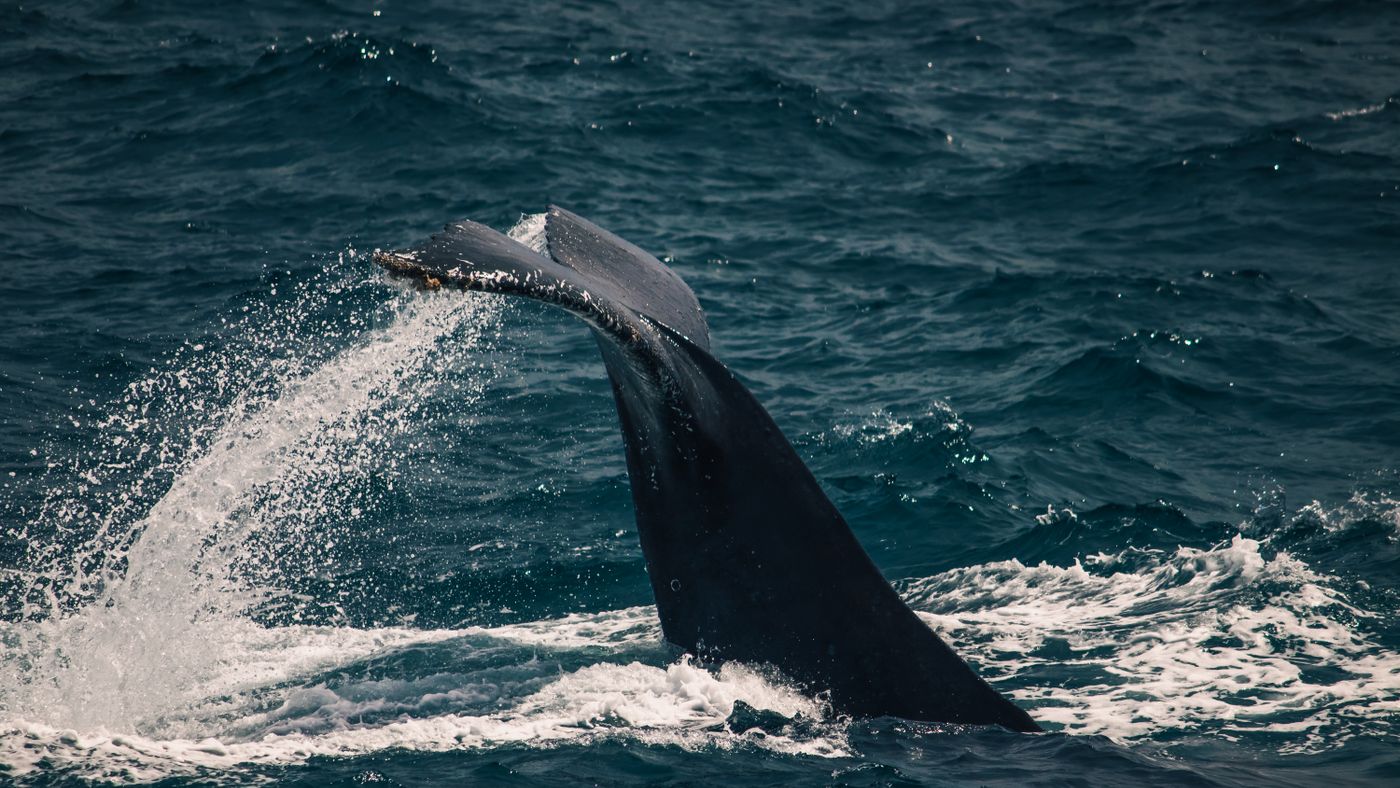
Every winter, tens of thousands of gray whales pass right by San Diego on one of the longest migrations of any mammal on earth, and you can watch it happen from a boat or a cliff. The first time I saw a whale surface and blow a few hundred feet away, I understood why people call it one of nature's great spectacles. It is.
The gray whale migration is the draw. Each year, roughly 26,000 of them travel more than 10,000 miles round trip, from the cold feeding grounds of the Arctic down to the warm lagoons of Baja California, where the females give birth, and back again. San Diego sits squarely on that route, which makes it one of the best whale-watching spots on the West Coast.
Time it right: December through March
This is the single most important thing. Gray whales are seen most frequently from December through March, with the migration peaking in the heart of winter. Show up in July and you will not see them. The Birch Aquarium and the local tour operators all key their schedules to this window, so plan a winter trip if whales are your goal.
They travel in small groups, often pods of two or three, and because they are relatively slow swimmers you actually have time to spot and watch them, unlike faster, more erratic species. Patience is rewarded here in a way it is not with dolphins.
Learn the breathing pattern
Here is the trick that turns a frustrating squint into reliable sightings. Gray whales dive deep, around 100 feet or more, for a few minutes, then surface and blow, then do a few shallow dives before going deep again. Once you learn to read that rhythm, you can anticipate where the whale will resurface and have your eyes, or your camera, already pointed there. Watching for the blow, the misty spout, is usually how you spot them first.

A pair of compact binoculars is the difference between "was that a wave?" and a confirmed whale, especially from shore. Bring them. They are the one piece of gear I refuse to whale-watch without.
Boat tours get you close
There are many places to watch from land, but nothing matches the excitement of a boat tour. Operators run frequent whale-watching cruises through the season, many with naturalists on board who narrate the behavior and help everyone spot the whales. Some even offer a guarantee that if you do not see a whale, you can come back.
The bay is cold and windy on the water in winter, so dress in serious layers: a packable jacket over warm clothes, and if you are prone to it, take motion-sickness precautions before you board, because the open ocean swell can be rough. A travel camera with some zoom handles the distance far better than a phone, though honestly, sometimes the best move is to just watch with your eyes.
Shore lookouts if you'd rather stay dry
You do not need a boat. Some of the best free whale watching in San Diego is from land. The Cabrillo National Monument on Point Loma sits high on a headland directly over the migration route and even has a dedicated whale-overlook, and the cliffs at Torrey Pines State Beach give you another elevated vantage. From these points you can watch the whales pass, binoculars in hand, with no boat fee and no seasickness.

Shore watching rewards patience and good optics. Pick a clear day, get high, scan the horizon for blows, and settle in. Bring a reusable water bottle and a snack, because the best sessions are the ones where you wait quietly and let the whales come to you.
Make a day of it
Whale watching works for everyone, kids included; watching a creature that size surface tends to open young minds in a way an aquarium tank cannot. Pair a morning boat tour or a Cabrillo lookout session with a visit to the Birch Aquarium in La Jolla, which explains the science of the migration and is a perfect warm, indoor complement to the cold work of actually spotting whales.
The core advice is simple: come in winter, learn the breathing pattern, bring binoculars, and choose boat or shore based on how much you mind the cold and the swell. A good travel guide book will point you to the best seasonal lookouts and tour departure points. Plan the day, dress warm, and let the gray whales do the rest. It is a sight you genuinely have to see to appreciate.
Ready to shop? Compare travel guide book across stores →

