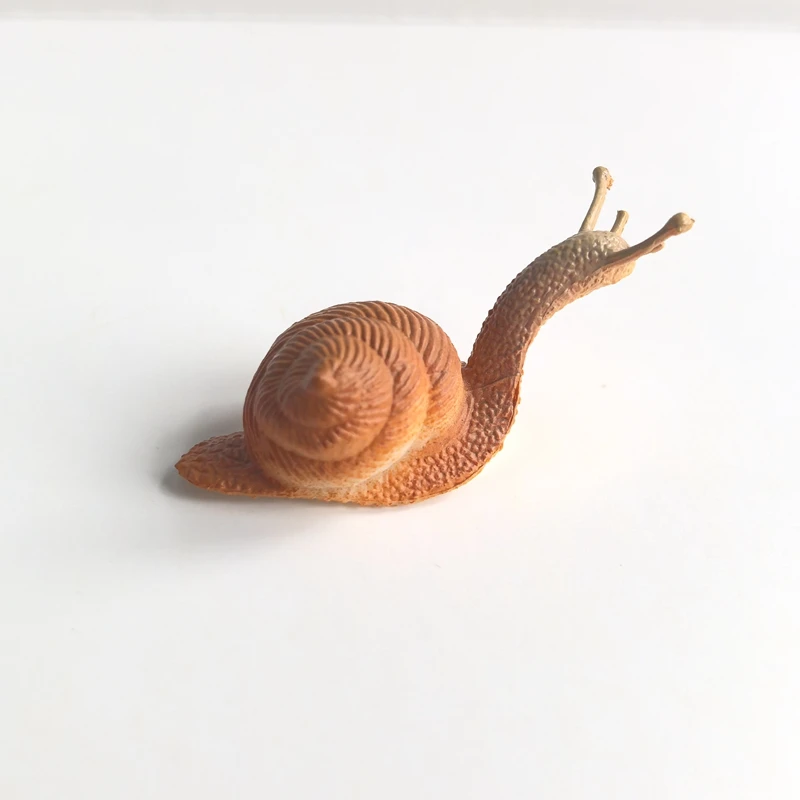
The Quiet Discipline of Patience and Why Rushing Backfires

I used to think impatience was a sign I cared more than other people. Then I noticed every project I rushed came out worse, took longer to fix, and left me more drained than the ones I let breathe.
Patience gets a bad reputation in self-improvement circles. It sounds passive, like the opposite of drive. But the people I know who actually accomplish big things aren't the most impatient — they're the ones who can sit with a slow process without panicking and torching it. Patience isn't the absence of ambition. It's ambition that's learned to wait for the right moment instead of forcing the wrong one.
What impatience actually costs
When I hurry, I make more mistakes. That's the plain mechanical cost. But there's a hidden one too: rushing puts me in a reactive, anxious state, and from that state I make worse decisions across the board. I send the email I should have slept on. I quit the thing one week before it would have worked. I read the slow stretch as failure when it was just the middle.
The first thing that helped was simply slowing my mornings down. I stopped grabbing my phone the second I woke up and spent ten minutes with a coffee and a morning pages journal before the day's urgency could grab me. Starting calm made it much easier to stay calm when things didn't move fast.
Patience is built, not born
Nobody is just naturally patient. It's a skill that develops over years, and the earlier you start training it, the more in tune you become with your own reactions. The training is unglamorous: noticing the urge to rush, naming it, and choosing not to act on it that one time. Repeat a thousand times.

Hobbies that can't be hurried turned out to be excellent training grounds. Gardening taught me that some things grow on their own schedule no matter how I feel about it. A gardening tool set and a few seed packets did more for my patience than any amount of self-talk, because a plant simply will not be rushed and stops arguing the point. Slow crafts work the same way — a beginner knitting kit forces a pace you can't cheat.
Accept the way things work
A lot of impatience comes from fighting reality. I'd be furious that a process took the time it took, as if my frustration could compress it. Learning to accept the actual timeline — not happily, just realistically — freed up enormous energy I'd been spending on resistance. The skill isn't liking the wait. It's not wasting yourself fighting a wait you can't avoid.
I started writing realistic timelines down instead of holding optimistic ones in my head, where they curdled into pressure. A simple undated weekly planner let me see that the thing taking "forever" was actually right on a sane schedule. Seeing it on paper deflated the panic.
Slow doesn't mean stalled
The trap is thinking patience means waiting passively for things to happen. It doesn't. You still do the work every day — you just stop demanding the results show up on your impatient timeline. Plant the seeds, water them consistently, and let the growth happen when it happens. The work is active; the expectation is patient. That combination is where the magic is.

To keep the daily work honest while staying patient about results, I track inputs rather than outcomes. I don't measure "am I successful yet" — I measure "did I do today's small piece." A desk calendar with an X on every day I showed up keeps me focused on the part I control and quiet about the part I don't.
The long game compounds
The frustrating thing about patience is that its rewards are invisible until suddenly they aren't. Years of patient, consistent effort look like nothing, then look like an overnight success to everyone who wasn't watching. The people who get there aren't more talented than the ones who quit. They were just willing to stay in the slow middle without setting it on fire.
If you're impatient right now, you're not broken and you're not behind. You're just early in training a skill that takes a while to develop — which is, fittingly, the most patient lesson of all. I keep a small zen desk sand garden on my desk as a five-second reset for when the urge to rush spikes, and it's a better return on a few dollars than I'd have ever guessed.
Ready to shop? Compare zen desk sand garden across stores → 📚 Or browse self-help courses & ebooks in Digital Goods →