The Darker Side of Homeschooling Nobody Warns You About

Most articles about homeschooling read like brochures. Mine will not, because the version that sold me on it left out the parts that nearly broke me in the first year, and you deserve to hear them before you commit.
I do not regret homeschooling. But it is not all smooth sailing, and pretending otherwise does no one a favour. Some of these downsides eased with time; others are permanent costs you simply accept. Here is the honest accounting.
The responsibility is entirely yours
This is the one that sits heaviest. When you homeschool, there is no teacher to share the blame with. If your child falls behind a skill their peers have, that is on you, as both educator and parent. There is nowhere to point. Some days that responsibility is motivating. On a bad week it is a weight that sits on your chest at 2am, and you should know it is coming.
I manage it by keeping honest records and watching for gaps early rather than discovering them late. A simple homeschool planner and a regular look at how my kids stack up against grade expectations turns vague dread into a concrete to-do list. The dread never fully goes; you just learn to act on it instead of drowning in it.
The time, and what it costs you
Homeschooling eats your time, and not just the teaching hours. You will give up chunks of your social life, your shopping trips, your downtime, and pour them into your child. That is frustrating, and you have to learn to take the aggravation with some grace and wait on the rewards with patience.

The harder truth is financial. A parent tutoring single-handed does not realistically have much left over for a career, which means the household loses a second income. That can turn into genuine stress over money, and you will likely have to learn to live on a tighter, more controlled budget than you are used to. It is doable, but it is a real cost, not a footnote. Run the numbers honestly before you start, because no amount of homeschool curriculum enthusiasm makes a mortgage cheaper.
You are never off duty
This one surprised me most. You cannot just take a day off when you feel low. If you skip lessons because you are blue, the guilt arrives immediately, plus the worry that your child will learn to take advantage. Even when you have set independent work, you have to be around to help. The honest summary: any time your child is home, you are on duty. For some stretches that means working nearly every waking hour.
And the child needs to get out more, precisely because they are home so much. Interaction with other kids and with adults does not happen automatically the way it does in a school corridor; you have to engineer it. That is one more job on a list that never really ends.
The exposure gap
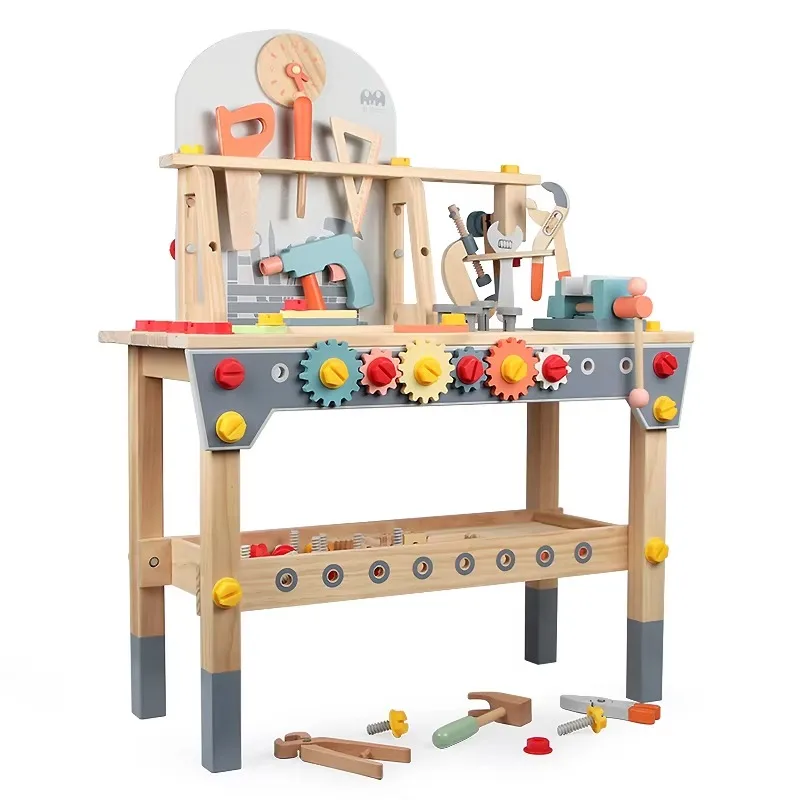
A school, for all its flaws, exposes a child to a sprawl of activities, subjects, and personalities. At home, matching that breadth means either being a super-parent skilled in everything, which no one is, or enrolling your child in a stack of outside activities. That second route works, but it can get expensive fast, and piling on too much becomes counterproductive, leaving a stressed kid with no downtime. A few well-chosen kids learning kits and hands on learning toys can broaden the home environment cheaply, but they only go so far. The breadth a building offers for free, you have to assemble and pay for.

Test scores and re-entry
Two practical wrinkles worth naming. Homeschooled kids sometimes underperform on standardised tests like the SAT relative to their school-going peers, and without a diploma or GED, some doors, the military among them, get harder to walk through. Plan for the testing deliberately; do not assume it will sort itself out. A good SAT prep book and a calm year of preparation matter more than they should, but the gatekeepers are real.
And if you ever decide to put your child into a regular school, brace for an adjustment. A kid used to being home all day with a lot of unstructured freedom can go through a genuinely distressing emotional and social transition before they settle into the rigours of a bell schedule. It passes, but it is rough while it lasts.
So why do it at all
Because for many of us the rewards still outweigh every item on this list. But you make that call with your eyes open, not on a brochure. Weigh the lost income, the lost freedom, the relentless responsibility, against the one-on-one attention and the freedom to shape your child's education yourself. If, knowing all of this, you still want it, then you are starting from honesty instead of a sales pitch, and that is the only solid place to begin. Stock up on the homeschool supplies you actually need and skip the rest; this is hard enough without clutter.
Ready to shop? Compare kids learning kits across stores → 📚 Or browse self-help courses & ebooks in Digital Goods →