
Matching After-School Activities to How Kids Actually Develop: A Domain Guide

One of the clearest parenting mistakes I made early was enrolling my five-year-old in a competitive soccer league because her older brother played. She wasn't developmentally ready for any of the social complexity of team competition — and the experience set her back rather than forward. Understanding the basic shape of how kids grow across different domains is the single most useful framework I've found for choosing activities.
The physical domain: what the body needs at each stage
Young children between three and five are obsessed with mastering the movements they've recently acquired. Running, jumping, catching, throwing — all of these feel new and worth repeating endlessly. Activities that give them space to practice basic movement patterns are ideal. T-ball, open gym, beginner gymnastics, dance. Avoid anything competitive; they can't developmentally process winning and losing in a socially meaningful way yet.
Middle elementary kids (six to nine) are ready for more complexity. They can start learning the mechanics of team sports, rules that require memory and judgment, and activities where someone evaluates their technique. This is also when kids start genuinely wanting to measure themselves against peers — which makes structured skill development satisfying rather than threatening, as long as the environment is supportive.
Older elementary kids (nine to twelve) are ready for adult-like structure: technique class, rehearsal cycles, competitive leagues. Their bodies have enough coordination to invest in specific skills with real return, and they can handle the kind of sustained repetition that produces genuine mastery.
The social domain: what they're ready for with peers
Young children play alongside each other more than with each other. Genuinely collaborative group activities are developmentally premature — which is why forcing three-year-olds into "teams" produces tears more reliably than joy. Parallel play in the same space is more developmentally appropriate and more fun.
Middle school-age kids become genuinely curious about society. They want to understand how things work, who's in charge, what rules govern groups outside their immediate family. Field trips, club activities, scouting programs — anything that exposes them to institutions and adult roles — captures their interest naturally at this stage.

Older kids are ready to engage with genuine social responsibility. Community service, mentorship programs, student council, peer tutoring. They can now understand and be genuinely motivated by the idea that their contribution matters to people outside their immediate circle.
The intellectual domain: how curiosity changes shape
Young children practice what they're learning — they need repetition and hands-on sensory engagement more than novel content. Programs that teach through doing, touching, and making are ideal.
Middle elementary kids shift toward wanting to understand systems and mechanisms. The "how" and "why" questions become central. They'll engage deeply with science, history, and building if the approach lets them investigate and conclude rather than just receive information.
Older kids are ready to research independently, hold competing hypotheses, and work toward original conclusions. This is when genuine projects — documentary making, scientific research, creating something for a real audience — become developmentally appropriate and powerfully engaging.
The emotional domain: the underrated one
Young children are just beginning to name and regulate their emotions. They need adult co-regulation — a calm adult nearby — more than they need emotional education programs. The activity itself matters less than the emotional tone of the adults in the room.
Middle school kids are navigating increasingly complex social-emotional terrain: friendship groups, fairness, loyalty, identity. Activities that involve collaborative creation or shared challenge build the emotional vocabulary that helps them navigate this period.
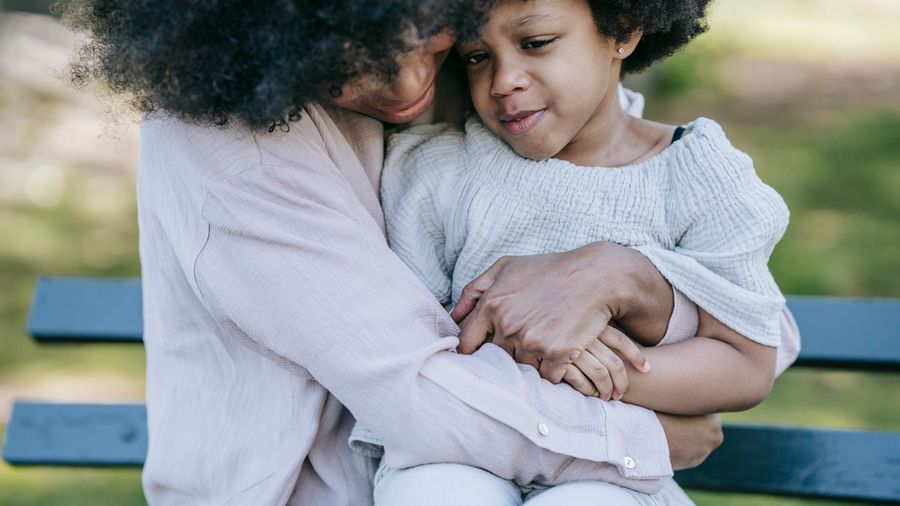
Older kids are ready to develop genuine empathy for experiences outside their own. Arts, travel, community work, and cross-cultural contact all develop this — which is why the best activities for this age group often involve engagement with something beyond the immediate peer group.
What I'd skip
I'd skip competitive activities for kids younger than about seven. The developmental readiness isn't there, and the experiences tend to be more confusing than growth-producing.
The honest bottom line: every activity works better when it's pitched at the right developmental phase. Before you enroll, spend five minutes thinking about what your specific child is working on right now — and choose accordingly.
Gear that fits the developmental stage: kids building blocks, kids science kit, kids team sports set, youth art supplies, and kids outdoor exploration kit all support development when matched to the right age.
Ready to shop? Compare Relationships across stores → 📚 Or browse relationship & dating guides in Digital Goods →