
Posting From Your Phone in the Creator Era

The phone in your pocket is a better publishing studio than most professional setups were a decade ago. The trick is using it like one.
There was a time when the idea of posting from a phone felt futuristic, almost daring. You would run home to your desk to update your blog, and the gap between something happening and you writing about it could be hours. The whole appeal of mobile posting was closing that gap, capturing a moment as it unfolded instead of recalling it later.
That future arrived so completely that we stopped noticing it. Today, posting from your phone is not a novelty, it is the default. The interesting question is no longer whether you can publish from your pocket. It is how to do it well, because the bar has risen along with the convenience.
From a clever trick to the main stage
Mobile posting stopped being a niche the moment platforms built themselves around it. Short video, stories, live streams, and feed posts are all designed phone-first. Most people now experience the internet through a vertical screen held in one hand, which means content made on a phone often feels more native than something formatted for a desktop browser.
This reshaped who gets to publish. You no longer need an office, a tripod rig, or editing software that costs a salary. A creator at a protest, a concert, a kitchen counter, or the sideline of a game can publish to the world in seconds, with sound and picture, from where the thing is actually happening. That immediacy, the same pull that drew early mobile bloggers, is now baked into how news and culture move.

Treat your phone like the studio it is
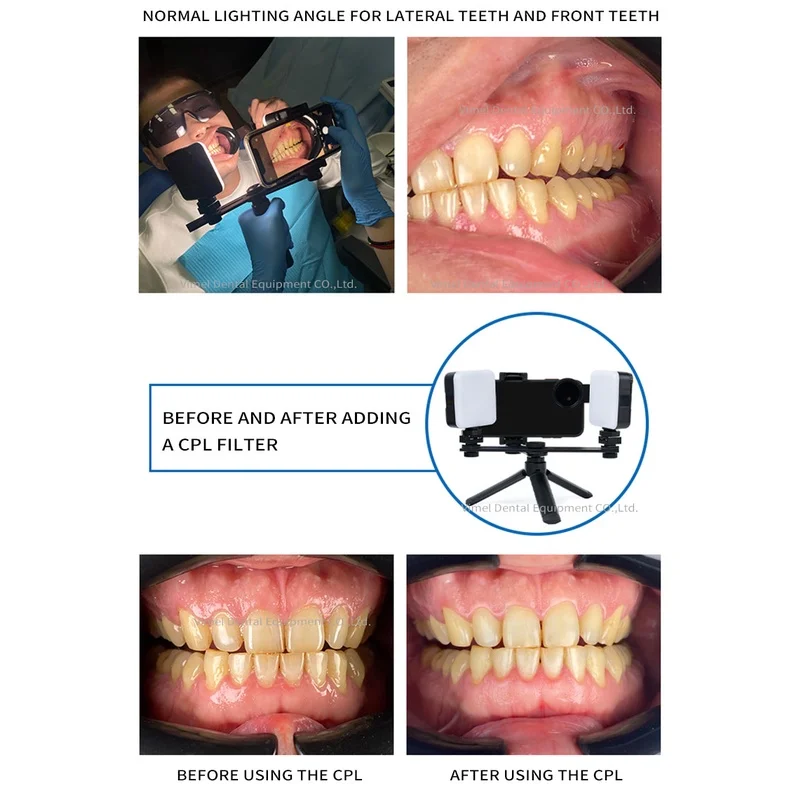
Because the phone does so much automatically, it is easy to forget it is still a tool that rewards a little care. A few cheap additions change the quality more than any app filter. A small phone tripod kills the shaky-hand look instantly. A clip-on lavalier microphone fixes the single biggest weakness of phone footage, which is almost always bad audio, not bad picture. A pocketable phone gimbal turns walking shots from nauseating to smooth.
Lighting matters more than resolution. Your phone's camera is excellent in good light and mediocre in bad light, so a portable ring light or simply facing a window does more than chasing the newest model. And keep a power bank in your bag, because nothing ends a day of mobile publishing faster than a dead battery at the moment that actually matters.
What the speed gives, and what it costs
The strength of phone publishing is also its risk. When you can post the instant something happens, you also lose the buffer that catches mistakes. The same immediacy that lets you share a moment honestly lets you share something half-true, badly framed, or regrettable just as fast. The best mobile creators have learned a tiny pause, a breath before posting, that costs seconds and saves reputations.
There is also a quieter cost. When the studio is always in your pocket, the pressure to be always publishing creeps in. The most sustainable creators I know set boundaries: capture freely, but publish deliberately. The phone makes shooting effortless. Deciding what is worth other people's attention is still your job.
The line between updating and creating
It is worth naming a shift that happened quietly. Early mobile posting was about updates, quick notes from wherever you happened to be. Today's phone publishing is increasingly about creation, polished short videos and carefully shot photos that compete with professional work. Both still matter, and you do not have to pick one, but you should know which you are doing in any given moment.

An update is fast and forgivable. A creation deserves more care, a second take, better light, a moment of editing. The creators who frustrate their audience are usually the ones who treat every post like a throwaway update when their followers were expecting something made. Match the effort to the intent. A raw moment from a concert can be rough and still land. A tutorial you want people to save is worth setting up properly, even if that just means a phone stand and a clean background.
Build a simple mobile workflow
If you want to publish well from your phone, build a small repeatable routine. Shoot a little more than you need so you have options. Edit on the device with one app you actually know rather than five you half-understand. Caption everything, because most people watch with the sound off. And keep your files organized, because a phone fills up fast and the clip you want is always the one you deleted.
The romance of mobile publishing was always about being there, in the moment, and sharing it before it cooled. That promise held up. The tools just got good enough that the only real limit now is your eye and your judgment. Pick up the phone you already own, add a mic and a tripod, and start treating it like the studio it quietly became.
Ready to shop? Compare phone tripod across stores → 📚 Or browse courses & software in Digital Goods →