
Blogging From Your Phone: The Modern Reality
Once upon a time, posting from a phone was a novelty that made headlines. People marveled that you could update a blog without running home to a desktop. Today the phone isn't the cutting edge of publishing; it's the default studio that most creators carry in one pocket.
The old dream of "mobile blogging" was modest by current standards: snap a low-res photo on a camera phone, send it to your site, and feel like you were broadcasting from the front lines. That instinct was right, even if the technology was clumsy. The desire underneath it, to capture and share a moment the instant it happens, turned out to be one of the defining forces of the modern internet. It just outgrew the blog. It became the entire architecture of social platforms, live streams, and short-form video.
The Phone Replaced the Whole Production Chain
What's genuinely remarkable is how much a single device now does. A modern phone shoots video that would have needed a broadcast crew not long ago. It edits that video, writes the caption, mixes in music, and publishes to a global audience before you've left the scene. The friction that used to separate "experiencing something" from "publishing about it" has nearly vanished. A creator at a concert, a protest, or a kitchen counter can be live to thousands within seconds, no boot-up required.
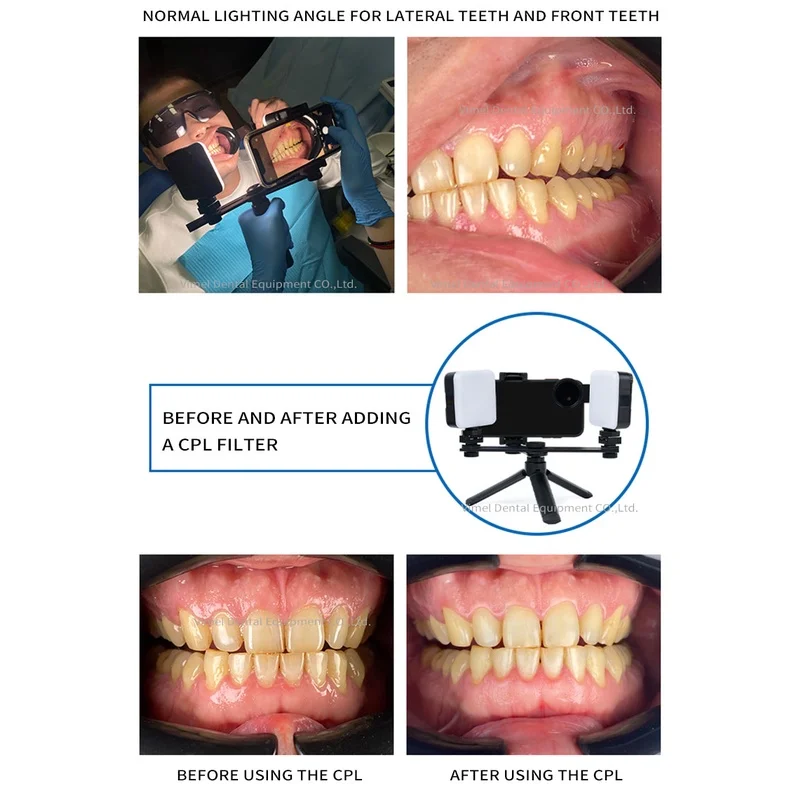
If you want to lean into this, a small kit goes a long way. A simple phone tripod steadies your shots, a clip-on lavalier microphone fixes the one thing phones still do badly, which is audio, and a portable power bank keeps you running through a long day of filming. None of it is expensive, and it closes most of the quality gap between a phone and "real" gear.

Immediacy Is the Whole Point
The reason mobile-first creation took over is the same reason early mobloggers were excited: nothing beats being there. A polished post written hours later can't compete with a raw clip filmed as events unfold. Audiences have come to expect that immediacy, and the platforms reward it, surfacing fresh, in-the-moment content over anything that feels staged or stale. The democratic promise the early adopters sensed turned out to be real. You no longer need a TV network's budget to broadcast from the foot of the stage; you need a charged phone and something worth showing.
What Mobile Creation Is Good At, and What It Isn't
Phones excel at spontaneity, authenticity, and reach. They're weaker at depth. It's hard to write a thoughtful 2,000-word essay with your thumbs, and the small screen nudges you toward fast, reactive content rather than considered work. The creators who do best treat the phone as one tool in a kit: they capture and publish in the moment from mobile, then use a laptop for the longer, slower pieces that need room to breathe. The phone is the field reporter; the desk is the editor's office.
How to Actually Build a Mobile Workflow
If you want your phone to be a real publishing tool rather than a toy, get deliberate about the workflow. Pick one capture app and one editing app and learn them well instead of collecting dozens. Shoot vertical for social, horizontal for anything that might live on a longer-form platform. Batch your editing so you're not fiddling in public. Back everything up automatically to the cloud so a dropped phone doesn't erase a day's work. And keep your storage clear, because nothing kills a moment like a "storage full" warning right as something worth filming starts.

The Edge Keeps Moving
Mobile publishing stopped being the frontier and quietly became the foundation. The early mobloggers were right that putting a connected camera in everyone's pocket would change how stories get told; they just couldn't have guessed it would change everything else too. The opportunity now isn't being first to publish from a phone, it's using that always-on studio with enough intention that what you make is worth someone's attention.
Ready to shop? Compare phone tripod across stores → 📚 Or browse courses & software in Digital Goods →