The Zone Diet: What the Fat-Protein-Carb Balance Approach Actually Does
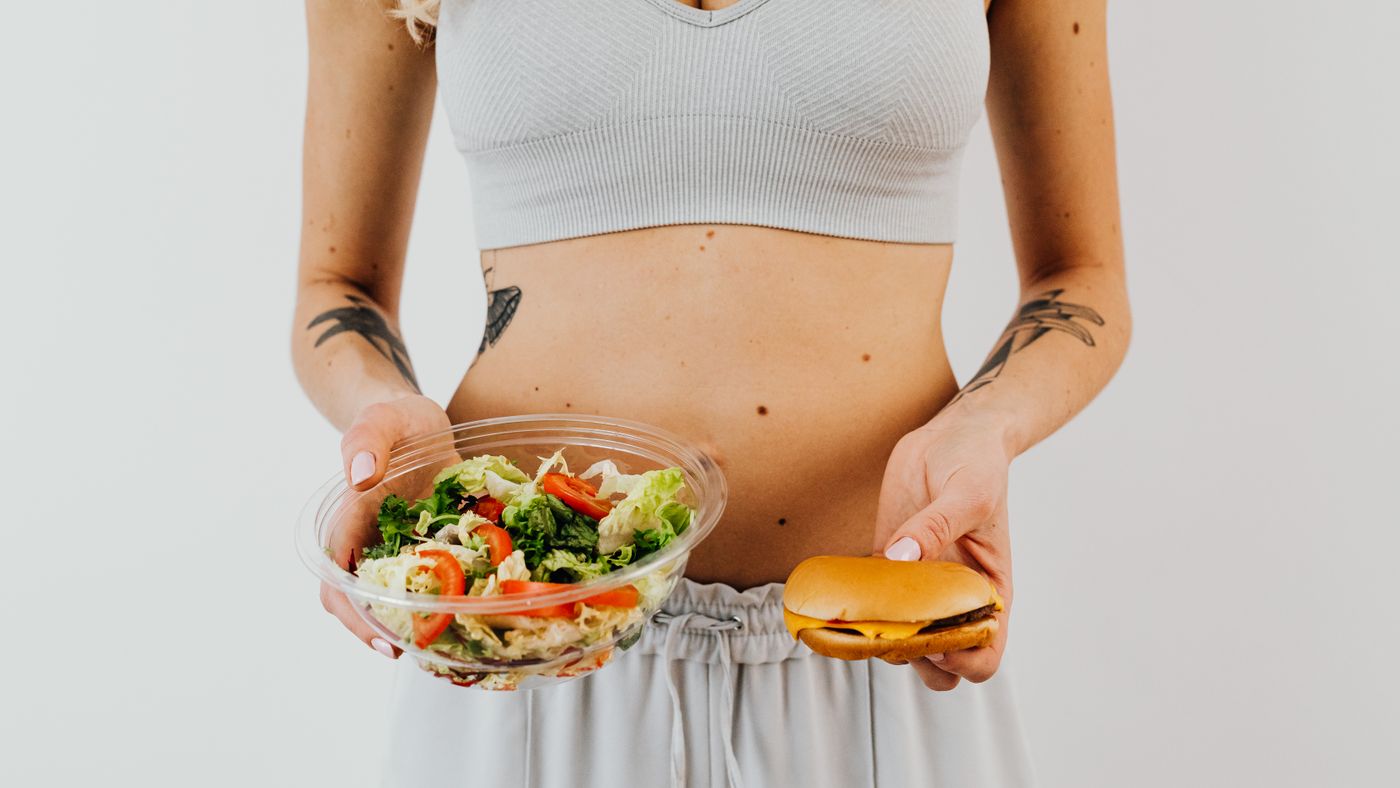
The Zone Diet entered widespread awareness through the story of Manuel Uribe, the heaviest person ever recorded, who lost hundreds of pounds following it while bedridden. That's an extreme framing for a diet that is, at its core, a fairly practical approach to macronutrient balance. The mechanism isn't mysterious: eat protein, fat, and carbohydrates in specific ratios at each meal, and your hormonal response to food stays in a range that supports fat loss rather than fat storage.
The Core Principle
The Zone Diet's central claim is that each meal should consist of roughly 40% carbohydrates, 30% protein, and 30% fat. The theory is that this ratio keeps insulin levels stable — avoiding the spikes from high-carb meals that signal the body to store fat, and avoiding the glucagon overactivation from very low-carb approaches that can stress other systems. Whether the specific percentages are as precise as claimed is debatable; that the general principle of balanced macros at each meal produces better outcomes than carb-dominated eating is well-supported.
The practical difference from strict low-carb plans like Atkins is that the Zone allows more carbohydrate — and specifically allows you to choose the type. Vegetables, legumes, and low-glycemic grains are favored over refined carbs, but you're not trying to keep carbs under 50 grams per day. A food scale helps at the beginning when eyeballing the 30/30/40 split feels unreliable.
What Makes It Different From Atkins-Style Plans
Strict low-carb ketogenic approaches cut carbohydrates dramatically — initially under 20 grams per day for induction phases. This produces rapid water weight loss and puts the body into ketosis. The Zone approach is less extreme in carb restriction but more attentive to the fat-to-protein balance at each meal. People who struggle with the mood effects and carb cravings of strict ketogenic eating often find the Zone more sustainable.
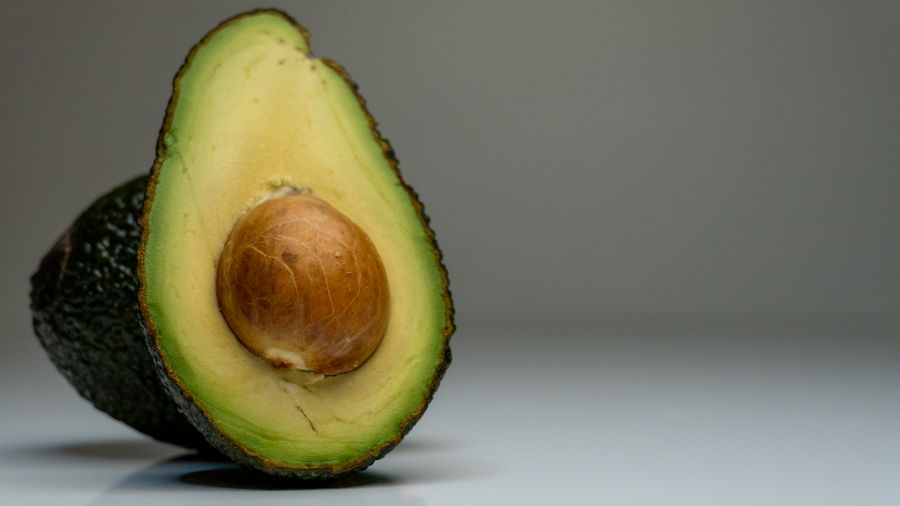
The food quality emphasis is similar: whole protein sources, healthy fats (olive oil, avocados, nuts), and vegetables are the building blocks. Processed foods high in refined carbohydrates undermine the hormonal balance the diet is trying to achieve regardless of the precise ratios.
Meal Construction in Practice
Building Zone-compliant meals isn't complicated once the principle is internalized. A plate roughly one-third covered with lean protein (chicken, fish, eggs, tofu), two-thirds covered with low-glycemic vegetables and legumes, with a small addition of healthy fat (olive oil drizzle, a few nuts, half an avocado) hits the approximate target. portion control plates with section guides make this visual without requiring constant math.
The meal frequency is five times daily — breakfast, lunch, dinner, and two snacks — which maintains the hormonal stability between meals and prevents the hunger spikes that lead to poor choices when the next meal finally arrives.
The Evidence Base
Clinical trials on the Zone Diet show moderate, consistent weight loss without the dramatic initial drop of very low-carb approaches. The advantage the Zone offers is the absence of the metabolic rebound that follows extremely restrictive phases — the hormonal normalization is more gradual and more stable. For people who need to lose weight over many months rather than weeks, the sustainability difference matters more than the rate.

A meal prep cookbook focused on protein-vegetable-healthy fat combinations makes following any balanced macronutrient approach significantly easier in practice.
What I'd Skip
I'd skip treating the 40-30-30 split as a precise requirement rather than a useful approximation. The precision of the percentages matters much less than the general principle: meaningful protein and healthy fat at every meal, carbohydrates from whole-food rather than refined sources. That principle is sound; the specific numbers are a useful guideline, not a law of physics.
Ready to shop? Compare Health & Wellness across stores → 📚 Or browse health & wellness programs in Digital Goods →