Simple Rules for Eating Real Food and Cooking at Home

Keeping track of what's actually healthy to eat has become genuinely hard, and a big part of the blame sits with packaging and advertising. Labels shout "natural," "low fat," "low sugar," while the food inside is heavily processed, a complex mix of ingredients whose quality got altered somewhere on the production line. After years of being confused by it, I came to a blunt conclusion: the one food I can fully trust is the one I cook myself at home, provided I follow a handful of basic rules. None of them are clever. All of them work. (This is what's worked for me, not medical advice — a dietitian can tailor things to your situation.)
Rule one: lean hard on fresh food
The first and biggest rule is to eat higher amounts of fresh food — fruits, vegetables, seeds, nuts, almonds, and wholegrain cereal. Fresh food hasn't been through the manufacturing process that strips and alters and "fortifies" things back in. It's closer to what your body evolved to handle, and it crowds out the processed stuff by simply filling you up first. I don't count this as a diet so much as a default: when fresh food is the easy thing to reach for, most of the bad choices quietly stop happening. A bowl of mixed nuts on the counter does more for my snacking than any rule I have to remember.
Rule two: make your own snacks and drinks
So much hidden sugar and junk hides inside convenience items that look healthy. Fruit yogurt from the supermarket is a classic — buy plain yogurt and add a fresh apple, banana, or berries yourself and you get the same thing without the sugar load. The same logic transforms drinks. Squeeze your own orange juice instead of buying the bottled or canned "commercial" version. Use sparkling water in place of fizzy drinks. Make lemonade with honey instead of sugar, and lean on herbal teas to replace coffee and caffeine. Beverages are a bigger part of your diet than most people admit, and they're where the easiest wins hide. A water bottle you actually carry makes water the default instead of an afterthought.
Rule three: cook simple recipes from real ingredients
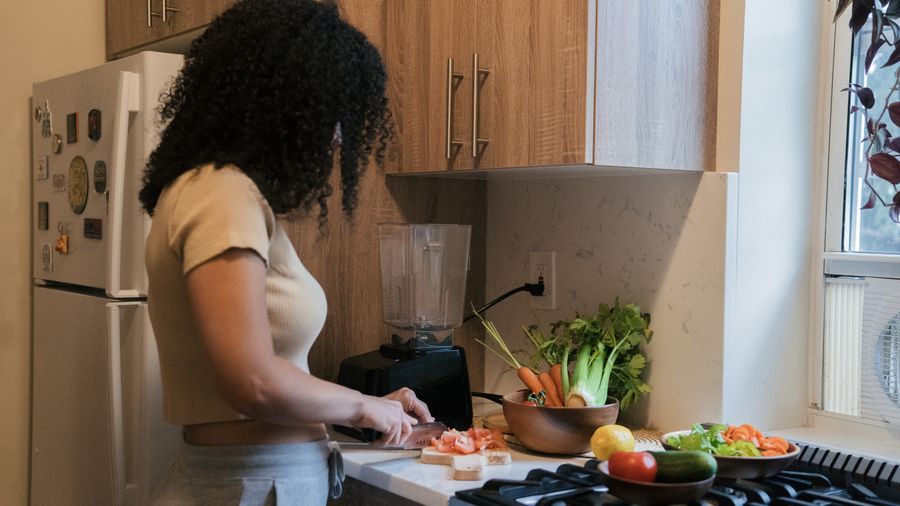
You don't need to become a chef. The point is simple recipes built from fresh ingredients rather than canned or ready-made meals. When you cook it yourself, you know exactly what's in it — no mystery stabilisers, no surprise sugar, no "altered during manufacturing." Simple is the operative word; an elaborate recipe you'll never repeat helps no one, while a handful of easy, repeatable meals you can make on autopilot will quietly carry your whole week. A basic cookware set and a good chef knife are genuinely all the starting kit you need.

Rule four: be picky about meat
Meat-related advice can feel peculiar, but the practical version is simple: favour lean meat — chicken, turkey, fish, and veal — over the fattier, heavily processed options. This isn't about cutting meat out; it's about choosing the cuts that work for you rather than against you. Pair lean protein with the fresh vegetables from rule one and you've built the backbone of a genuinely good plate without thinking hard about it. Keeping a meal prep containers stack in the fridge makes cooking lean protein in batches the path of least resistance.
Why home cooking beats the alternative long-term
A balanced diet supported by regular activity does real work over time — it helps delay the effects of ageing and keeps you looking and feeling well for longer. The bonus nobody mentions is that home cooking can actually be interesting and fun, and the whole household reaps the rewards. It takes a while to adapt to a new cooking style, and taste genuinely can be retrained — what tastes bland at first becomes normal within weeks. You mostly need a strong will and a bit of determination, and then it's just a matter of putting good principles to work, meal after meal, until they stop feeling like effort.
What I'd skip
Skip trusting front-of-package claims on processed food — cook it yourself and you sidestep the whole game. Skip buying flavoured yogurts and bottled juices when the homemade version is trivially easy and far cleaner. Skip elaborate recipes you'll never repeat; simple and repeatable wins. And skip expecting your taste to stay the same — it adapts faster than you'd think.
The honest answer
Eating well at home isn't complicated once you stop outsourcing it to packaging. Lean on fresh food, make your own snacks and drinks, cook simple repeatable meals from real ingredients, and favour lean protein. The rules are dull and that's the point — dull, repeatable rules applied daily beat any clever plan you can't sustain. Give your taste a few weeks to adjust, and home-cooked real food stops being a project and just becomes how you eat.
Ready to shop? Compare meal prep containers across stores → 📚 Or browse health & wellness programs in Digital Goods →