Losing Weight Before a Specific Event: What's Realistic in a Short Window

There's a wedding in three weeks. Or a reunion. Or a beach trip. And you'd like to feel better in the clothes you're planning to wear. This is an extremely common situation and it deserves an honest answer rather than either false hope or excessive caution. What's actually achievable in two to four weeks, safely, is modest but real — and knowing the realistic ceiling prevents both disappointment and dangerous approaches.
What's Actually Achievable in Two to Four Weeks
At a safe caloric deficit of about 500–750 calories per day — achievable through reduced intake and modestly increased movement — the realistic expectation is one to one and a half pounds of actual fat loss per week. Over three weeks, that's three to four and a half pounds. That's meaningful, enough to fit more comfortably into something that was tight, but not a dramatic transformation.
The larger number you sometimes hear from short-term diets — six to ten pounds in two weeks — is mostly water weight and intestinal content, not fat. It shows on the scale and affects how clothes fit, but it returns immediately when normal eating resumes. Understanding what you're actually losing changes how you evaluate the "success" of any short-term plan.
The Ten Percent Approach
One framework that works without requiring dramatic deprivation: reduce your current daily caloric intake by about ten percent and increase your daily movement by a similar modest amount. This avoids triggering the body's starvation response while still creating a real deficit. It's not exciting, but it produces genuine fat loss rather than the water-loss-then-regain cycle.
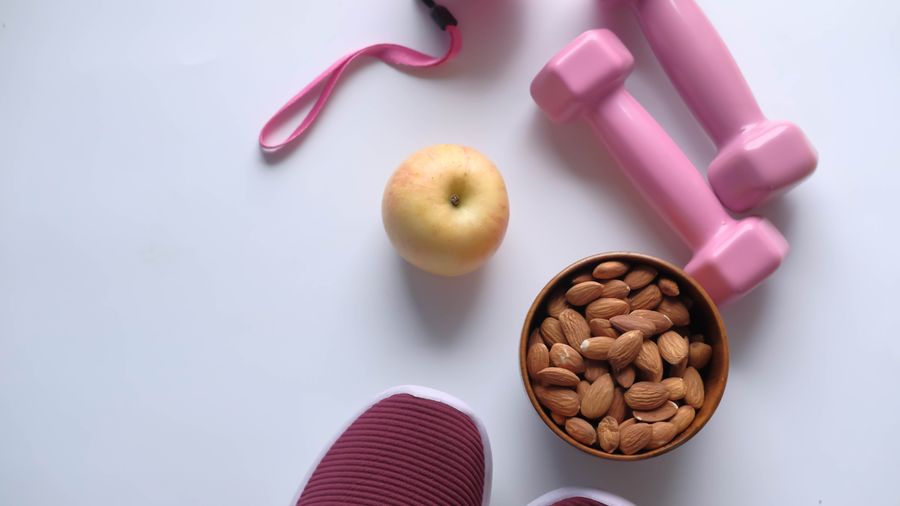
Practically: if you're eating approximately 2,200 calories daily, reduce to around 2,000. If you're currently walking 3,000 steps a day, add a 15-minute walk to get closer to 5,000. A pedometer makes the step side of this visible and manageable. Neither change feels like deprivation, both contribute real results over three weeks.
Reducing Water Retention in the Final Days
The way clothes fit is also affected by water retention from salt, alcohol, and processed food. In the final week before an event, significantly reducing sodium intake, cutting alcohol, and eliminating highly processed food reduces bloating noticeably — this isn't fat loss, but it's visible and real. The body retains approximately one gram of water for every gram of glycogen stored, so reducing refined carbohydrate intake also reduces water retention.
Increasing water intake — counterintuitive but accurate — reduces water retention. When the body is consistently well-hydrated, it releases stored water more readily. A high-quality water bottle that makes sipping throughout the day easy is a practical tool for this.
The Exercise Piece
Adding ten percent more activity, as discussed, produces meaningful results without injury risk. What doesn't help is dramatically increasing exercise intensity the week before an event — the body responds with increased appetite and sometimes inflammation, both of which work against the goal. The time to significantly increase exercise is the month before, not the final week.

A pair of comfortable athletic shoes appropriate for walking or light jogging is the minimum equipment needed for the movement side of a short-term weight management approach.
What I'd Skip
I'd skip any plan that restricts calories below 1,200 for women or 1,500 for men for more than a few days. I'd skip diuretic supplements or extreme sodium restriction beyond what a healthy whole-foods diet naturally provides. And I'd skip setting the goal as "lose X pounds" — the better goal is "feel comfortable in what I'm wearing," because that's achievable through a combination of modest fat loss and reduced water retention that doesn't require anything extreme.
Ready to shop? Compare Health & Wellness across stores → 📚 Or browse health & wellness programs in Digital Goods →