Juicing for Health: Benefits, Tips, and What to Know

Fruits and vegetables are the foundation of a healthy diet, and juicing has become a popular way to consume more of them — concentrating the nutrients of several servings of produce into a single, drinkable glass. Fresh juice can be a genuinely refreshing, nutrient-rich addition to your diet, delivering vitamins, minerals, and antioxidants in an easily absorbed form. But juicing also comes with real trade-offs worth understanding before you dive in. Here's an honest guide to juicing for health — its benefits, its limitations, and how to do it well.
The benefits of juicing
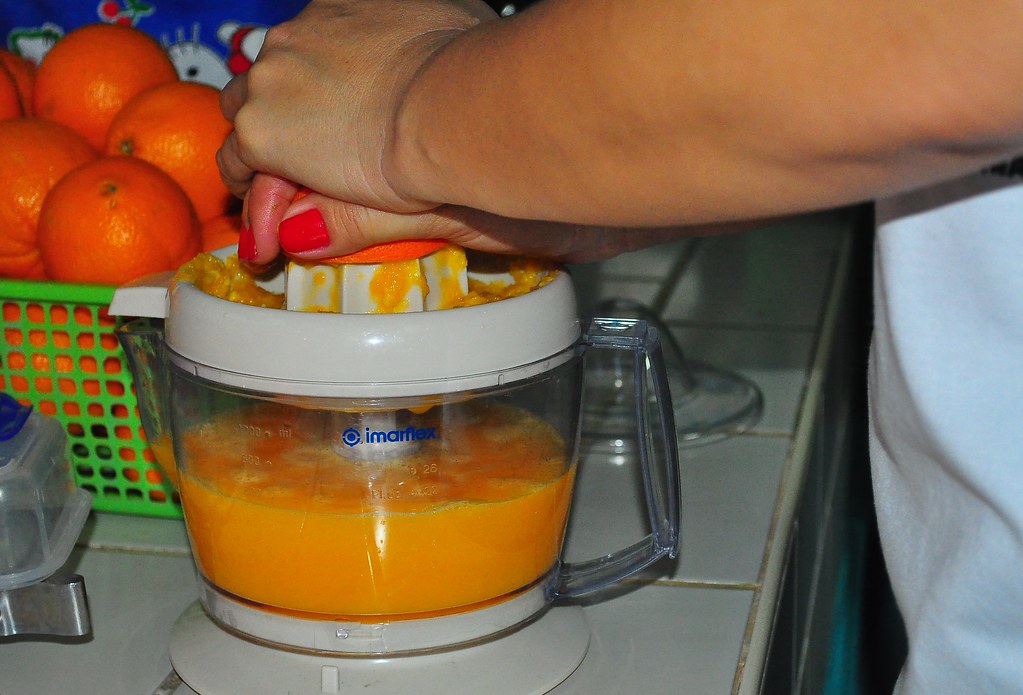
Juicing's main appeal is concentrated nutrition. By extracting the juice from produce, you can consume the vitamins and minerals of more fruits and vegetables than you'd easily eat whole, in a quick, absorbable form your body takes up readily. Fresh juice is hydrating and packed with vitamin C, potassium, and antioxidants, and for people who struggle to eat enough produce, it's an easy way to boost intake. Vegetable juices in particular pack a nutritional punch without much sugar. A glass of fresh juice can be a refreshing, healthy part of your day, and for many people it's a gateway to consuming more produce overall. A good juicer makes fresh juice quick to prepare at home.
The honest trade-off: fiber
Here's the most important thing to understand about juicing: extracting juice removes most of the fiber from the produce. Fiber is genuinely valuable — it aids digestion, keeps you full, and slows the absorption of sugar so your blood sugar stays steadier. Without it, the sugars in fruit juice hit your system faster, which is why fruit-heavy juices can spike blood sugar. This is the key reason nutritionists often prefer eating whole produce or blending smoothies (which keep the fiber) over juicing. It doesn't mean juicing is bad — but it means juice shouldn't replace whole fruits and vegetables entirely, and you should be mindful of the sugar in fruit-heavy juices.
Favor vegetables over fruit
To get juicing's benefits while minimizing the sugar downside, lean heavily on vegetables rather than fruit. Vegetable-based juices — built on cucumber, celery, leafy greens, and the like, with just a little fruit for sweetness — deliver lots of nutrients with far less sugar than fruit-heavy juices. A common smart ratio is mostly vegetables with one piece of fruit (an apple or some carrot) for palatability. This keeps your juice genuinely healthy rather than essentially a sugar drink. Getting in the habit of making vegetable-forward juices is one of the best ways to enjoy juicing without the blood-sugar concerns that come with all-fruit juices.
Drink it fresh
Fresh juice is best consumed soon after making it, because its nutrients begin to degrade with exposure to air, light, and time. For maximum benefit, drink your juice right away rather than storing it for days. If you need to store it, keep it in an airtight container in the fridge and consume it within a day or so, ideally filled to the top to minimize air exposure. This freshness factor is part of why home juicing (drinking it immediately) often beats store-bought juices that have sat on shelves, been pasteurized, and lost nutrients. Make it fresh and drink it fresh to get the most from your produce.
Choose the right juicer
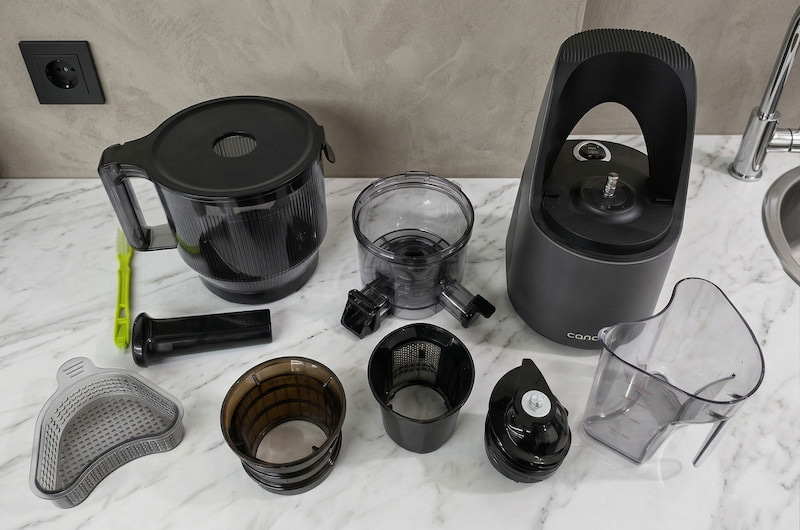
Your juicer affects both your results and how likely you are to keep juicing. There are two main types: centrifugal juicers (faster and more affordable, but generate heat that may degrade some nutrients and are noisier) and masticating or "slow" juicers (more expensive, but extract more juice, handle leafy greens better, and preserve more nutrients). For occasional juicing, a centrifugal model is fine; for serious, regular juicing — especially of greens — a masticating juicer is worth the investment. Also consider ease of cleaning, since a juicer that's a pain to clean often ends up unused in a cupboard. Match the juicer to how much you'll actually use it.
Use juicing as a supplement, not a replacement
The healthiest way to approach juicing is as a supplement to a balanced diet, not a replacement for whole foods or — especially — for meals. Juice cleanses and extended juice-only "detoxes" are popular but controversial; your body detoxifies itself just fine via the liver and kidneys, and prolonged juice-only diets lack protein, fat, fiber, and adequate calories, which can leave you depleted. A daily glass of fresh vegetable juice alongside a balanced diet is a healthy habit; replacing real meals with juice for days is not. Enjoy juicing for the nutrient boost it provides, while keeping whole fruits, vegetables, and balanced meals as the foundation of your diet.
Make the most of the pulp
Juicing produces leftover pulp — the fiber and some nutrients extracted from your produce — and there's no need to waste it. The pulp can be added to soups, sauces, baked goods (like muffins or veggie burgers), or compost, putting that fiber and nutrition to good use rather than throwing it away. Repurposing the pulp reclaims some of the fiber that juicing removes and reduces waste. It's a small step that makes home juicing more economical and a little more nutritionally complete. A quick search turns up plenty of recipes for using juice pulp creatively.
What I'd skip
Skip relying on fruit-heavy juices that spike blood sugar — favor vegetables with just a little fruit. Skip treating juice as a replacement for whole produce, which keeps the valuable fiber. Skip extended juice-only "detox" cleanses, which lack protein, fat, and adequate nutrition. And skip letting fresh juice sit for days; drink it fresh for maximum benefit.
The honest answer
Juicing can be a refreshing, nutrient-rich addition to a healthy diet — concentrating produce into an absorbable glass — but it comes with a real trade-off: extracting juice removes the valuable fiber, so fruit-heavy juices can spike blood sugar. Do it well by favoring vegetables over fruit, drinking it fresh, choosing a juicer that fits your usage, and treating juicing as a supplement to whole foods rather than a replacement or a "detox." Approached sensibly, a daily glass of fresh vegetable juice is a healthy habit that boosts your produce intake — just keep whole fruits, vegetables, and balanced meals as the foundation.
Ready to shop? Compare masticating juicer across stores → 📚 Or browse health & wellness programs in Digital Goods →