
Goji Berries and Arthritis: An Honest Look at the Hype
Goji berries get talked about like a miracle, and that's exactly why I want to talk about them plainly. They're a genuinely nutritious little fruit with some real anti-inflammatory credentials. They're also wrapped in marketing so breathless it can make a sensible person roll their eyes. Let's separate the two.
Goji berries, also called wolfberries, traditionally come from the Tibetan Himalayas, though you'll now find them in health food stores everywhere, online and off. They're handled carefully in processing, often shaken from the branches rather than touched by hand, on the theory that rough handling costs them some nutritional value. Whatever you make of that, it speaks to a fruit that's been treated as special for a long time.
What's actually inside them
The nutritional profile is legitimately impressive. Goji berries carry a long list of trace minerals and amino acids, along with vitamins B1, B2, B6, C, and E. They're frequently cited as one of the most antioxidant-dense foods around, with far more vitamin C by weight than oranges. They're sweet, neutral in character, and easy to work into a diet.
That antioxidant and anti-inflammatory content is the part that's relevant to arthritis. Arthritis involves inflammation in the joints, and foods that help calm inflammation can be a useful piece of an anti-inflammatory eating pattern. You can find goji berries dried for snacking, as goji berry juice, as goji berry extract capsules, or baked into bars and cereals.
Where they fit for arthritis
In traditional Chinese medicine, goji berries have long been used to support the immune system, ease joint discomfort, protect the liver, and improve circulation, among other things. The anti-inflammatory angle is the most directly relevant to arthritic pain, since reducing inflammation is one of the core goals of managing the condition.
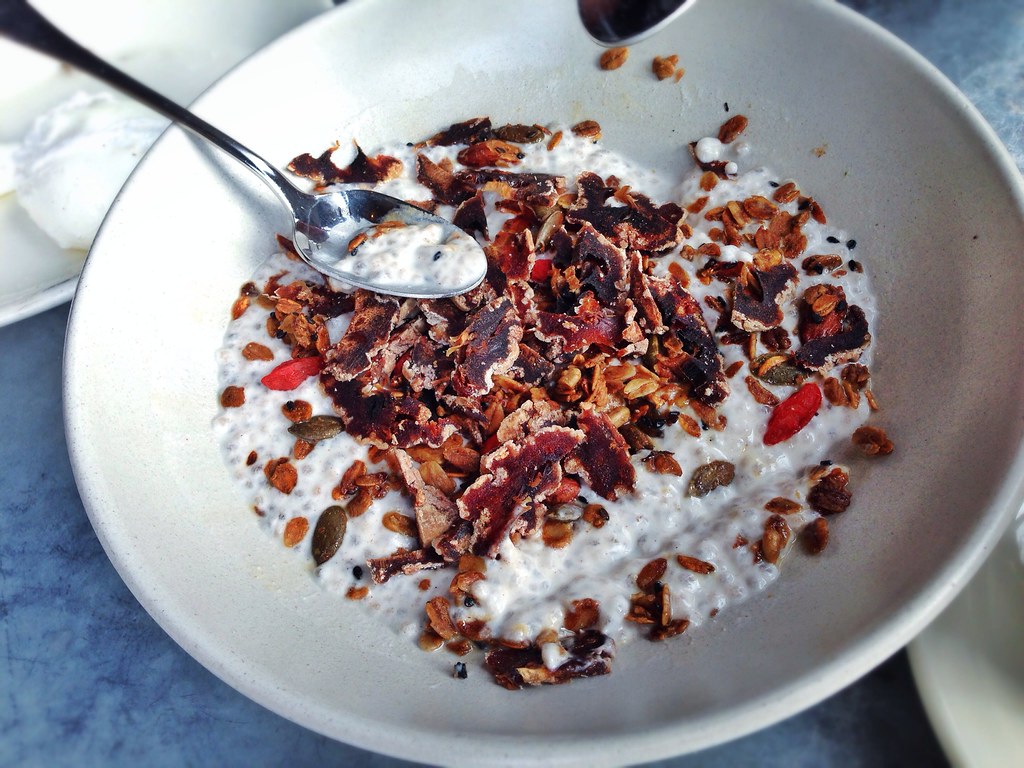
I'd frame them as a helpful addition to an overall anti-inflammatory diet rather than a treatment in their own right. Dropping a handful of dried goji berries into oatmeal, yogurt, or a smoothie is an easy, pleasant habit. Paired with other anti inflammatory supplements like omega-3s or turmeric, they're part of a sensible whole, not a standalone fix.
Manage your expectations
Here's the honest part. With any herbal remedy, results take time, and they vary from person to person. You might notice nothing for weeks, or feel a modest difference that builds slowly. That's normal, and it's true of synthetic medications too. The upside is that natural foods like this rarely carry the harsh side effects that prescription drugs can.
You'll also see goji berries credited with curing or improving an almost comic range of things, more energy, better eyesight, lower blood pressure, weight loss, looking younger, even slowing hair loss. Some of that has a kernel of plausibility from the nutrient density; a lot of it is enthusiasm outrunning evidence. Treat the "fountain of youth" talk with a healthy dose of skepticism. A good food is a good food without needing to be magic.
How to actually eat them
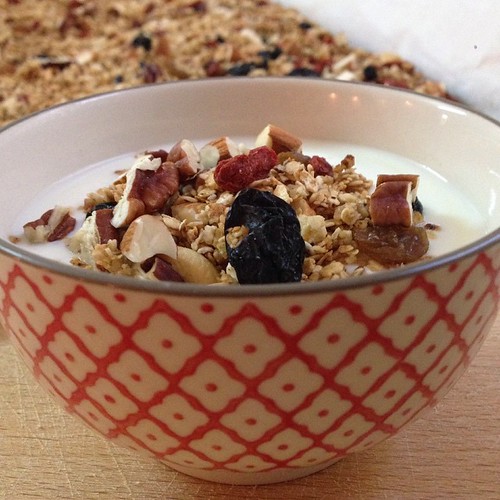
Part of why goji berries are worth bothering with is that they're genuinely easy to live with, unlike a lot of supplements you choke down out of duty. Dried, they're chewy and mildly sweet, somewhere between a raisin and a cranberry, so a small handful makes a decent snack on its own. Stirred into morning oatmeal or yogurt, scattered over a salad, or blended into a smoothie with other fruit, they disappear into food you'd eat anyway.
If chewing dried berries doesn't appeal, the juice and capsule forms give you the same nutrients without the texture. Start with a modest daily amount rather than loading up, both because more isn't necessarily better and because any new food is worth introducing gently to see how your body responds. Consistency over weeks matters far more than the size of any single serving, which is true of most anti-inflammatory eating.
Using them sensibly
If you'd like to try them, start small and consistent rather than chasing a dramatic effect. Work them into meals you already eat, keep up your regular arthritis care, and let your doctor know, especially if you take medications, since goji can interact with some, including blood thinners. A simple journal helps you judge honestly whether they're doing anything for you.
Goji berries won't cure your arthritis, and anyone who tells you otherwise is selling something. But as a nutrient-dense, anti-inflammatory food worked into a balanced diet, alongside warmth from a heated joint wrap and support from arthritis compression gloves on stiff days, they're a perfectly reasonable, low-risk thing to enjoy. Just keep your feet on the ground about what they can and can't do.
This article is for general information and is not medical advice. Talk to a healthcare professional before adding supplements, especially if you take medication.
Ready to shop? Compare dried goji berries across stores → 📚 Or browse health & wellness programs in Digital Goods →