The Atkins Induction Phase: What Actually Happens to Your Body
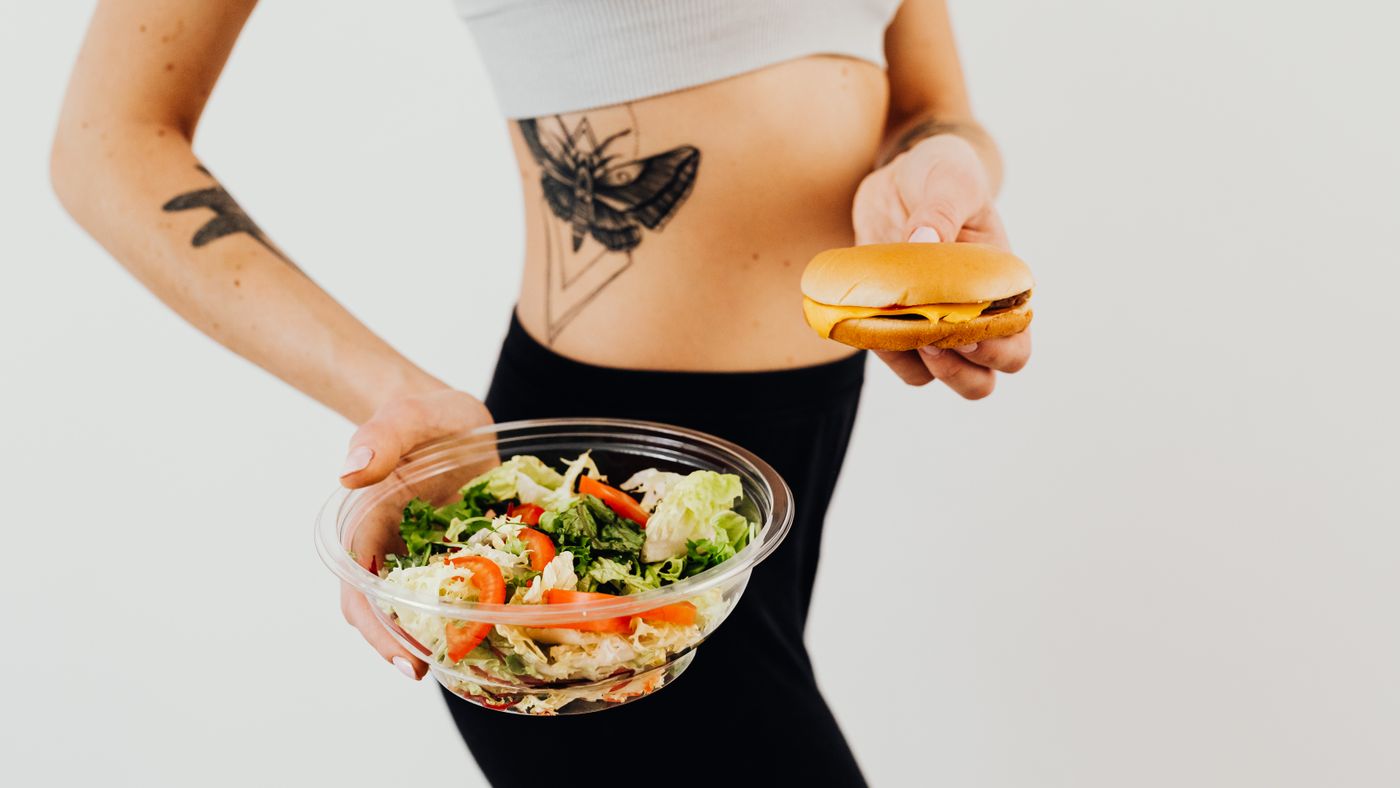
I did Atkins properly for about three months, including a genuine two-week induction phase. The experience was more instructive than I expected, partly because the results were interesting and partly because the first week was genuinely unpleasant in ways nobody warned me about.
What the Induction Phase Actually Does
The induction phase limits carbohydrates to approximately 20 grams per day — roughly one small apple's worth, but distributed over all vegetables and any other plant foods you eat. The purpose is to deplete glycogen stores in your liver and muscles within a few days, forcing your body to switch from glucose as primary fuel to ketone bodies derived from fat. This metabolic state is called ketosis.
The transition is real and measurable. Your brain, which normally runs almost entirely on glucose, adapts to running on ketones instead — a process that takes three to five days and during which many people experience what's called "keto flu": headaches, fatigue, mental fog, irritability. This isn't a side effect of the diet failing; it's the adaptation process. It passes. A keto urine test strip confirms you've actually entered ketosis, which is useful because the subjective experience doesn't always make it obvious.
Why You Can't Just Skip Induction
The Atkins program is unusual among diets in that the phases are genuinely sequential — each depends on the previous. You can't jump to the maintenance phase and expect the same metabolic shift to happen. Induction conditions the body to use fat as fuel. Without it, adding carbs back incrementally in later phases doesn't create the same hormonal environment for fat burning. People who try to do a "mild low-carb" approach from day one often get some of the restriction with few of the distinctive benefits.
During induction, unlimited amounts of fish, meat, shellfish, eggs, and poultry are allowed, along with a carefully measured 20 grams of carbohydrate from vegetables. A meal prep container set helps portion and store daily servings in advance. Nuts are added in later phases but excluded during induction — they contribute carbs that would interfere with the transition. Planning meals carefully matters because limited choices combined with spontaneous food decisions leads to accidental carb intake. A food carbohydrate counter book or app is genuinely useful here.
The Metabolic Logic Behind the Plan
In a typical glucose-burning state, insulin is constantly elevated to manage blood sugar from carbohydrate intake. Insulin's role in fat storage is significant — it actively inhibits fat breakdown. In ketosis, insulin levels are chronically low, which allows fat cells to release fatty acids for energy more readily. This is the core mechanism Atkins identified, and it's biochemically sound even if the cultural reputation of the diet has been mixed.
The trade-off is that falling off the plan mid-induction requires restarting from day one. Ketosis is binary — you either maintain it or you don't. A significant carbohydrate intake kicks you out of fat-burning mode and the transition process begins again. This is why accidental cheating on Atkins costs more than accidental cheating on a calorie-counting diet.
What I'd Skip
I'd skip doing induction without a food scale and carb counter handy. The "eyeballing" approach almost always results in exceeding 20 grams without knowing it. Vegetables have carbs, nuts have carbs, certain condiments and sauces have carbs — tracking them precisely matters during this specific phase.
The honest bottom line: induction works as described, the metabolic switch is real, and the weight loss results are genuine — though the initial dramatic numbers are largely water. Whether the maintenance approach is sustainable long-term varies considerably by person. The diet asks a lot of someone who genuinely enjoys carbohydrate-rich foods. If you're going to try it, do induction properly rather than a modified version. (Not medical advice.)
Ready to shop? Compare Health & Wellness across stores → 📚 Or browse health & wellness programs in Digital Goods →