Kitchen Refresh: Backsplash, Hardware, and Paint — No Gutting Required
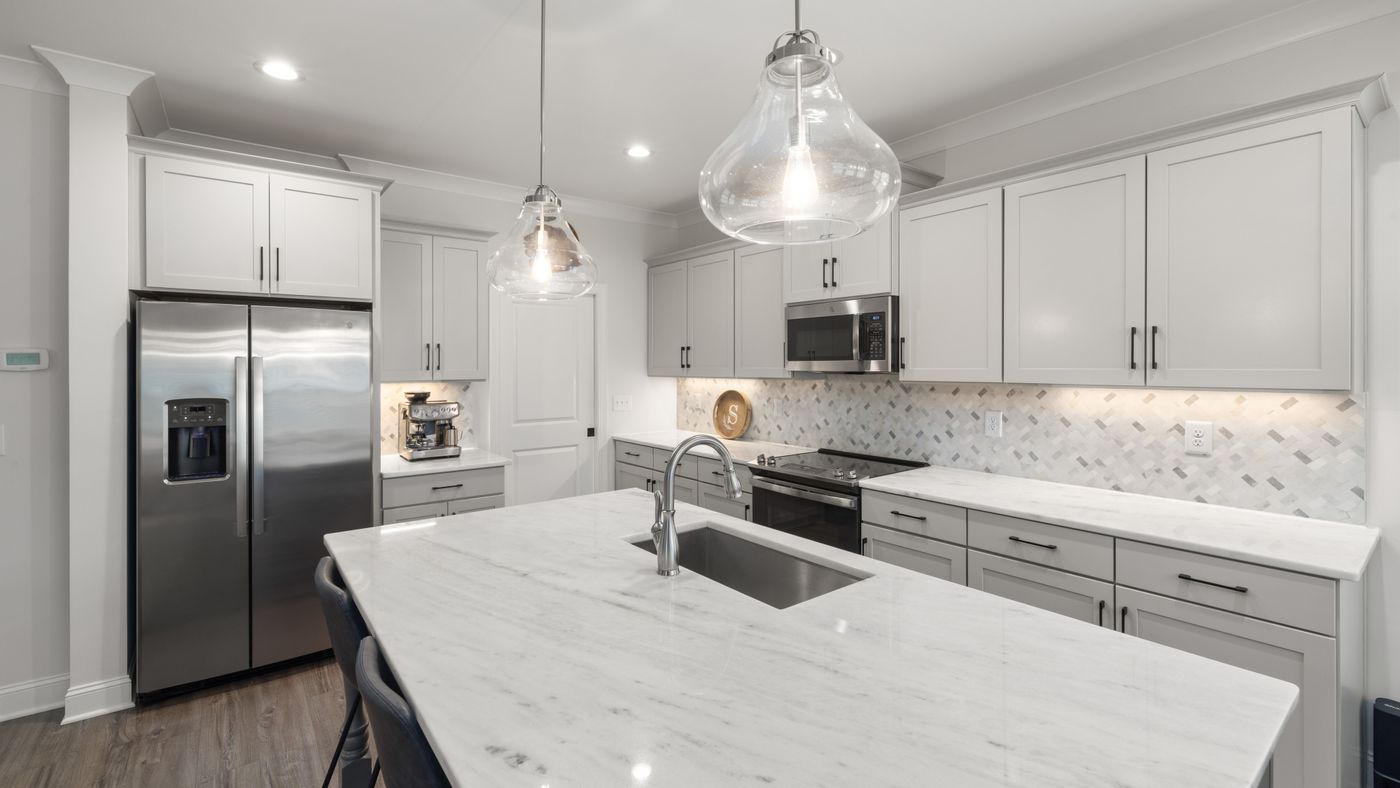
I spent two years assuming the kitchen needed to be gutted before it would look decent. Then I did an experiment: I swapped all the cabinet hardware, painted the walls, and installed a peel-and-stick backsplash behind the range. The kitchen didn't need gutting — it needed targeted attention on the three things your eye actually lands on first. Total cost: four hundred and twenty dollars. The difference was embarrassingly large for that investment.
Cabinet hardware: the fastest visual win in any kitchen
Cabinet knobs and pulls wear out visually long before they fail mechanically. Brass that's gone greenish, chrome that's lost its finish, plastic pulls that feel cheap — all of these telegraph "this kitchen is old and tired" before a visitor has even looked at anything else.
Switching hardware is a ninety-minute project with a screwdriver. The catch is that new hardware may not line up with old hole spacing, especially if you're switching from knobs to bar pulls. Measure your existing hole spacing (most are 3-inch or 3.75-inch on a two-hole pull) before ordering. Cabinet hardware in matte black, brushed gold, or simple brushed nickel reads as current and costs under three dollars per piece on most retailers.
A cabinet hardware set for an average kitchen is under a hundred dollars. Order slightly more than you think you need so you can choose the best-looking examples for the prominent cabinets.
Backsplash: the upgrade that makes the whole kitchen feel bigger
A tiled backsplash behind the range and countertop serves a practical function (easy to wipe down) and a strong visual one — it adds depth and pattern to what is otherwise a plain wall. Classic subway tile in white or cream is neutral, timeless, and very forgiving to install because the grout lines hide small variations.
Traditional tile work requires setting adhesive, spacing, grouting, and sealing — about a day of work for a beginner. If that sounds like too much, peel-and-stick backsplash tile has improved dramatically in quality and now fools most people from five feet away. Stick to the ceramic or stone-look variants rather than plastic-finish products. A tile installation kit with spacers and a grout float handles traditional installation. For peel-and-stick, a utility knife and level are all you need.

Clean the wall surface thoroughly before applying either type — any grease residue under adhesive-backed tile is a future peel waiting to happen.
Paint and light together
Wall color in a kitchen needs to work with the light it gets. North-facing or small kitchens should lean toward warm whites and soft creams — cool greys can make them feel clinical. South-facing kitchens with good natural light can handle more color: sage green, dusty blue, even a warm terracotta in the right space.
Whatever color you choose, use a satin or eggshell finish — flat paint in a kitchen absorbs grease and is impossible to wipe clean. A good angled paint brush for cutting in around cabinets and a foam roller for the walls themselves gives a cleaner result than a standard roller on high-gloss surfaces.
While you're at it, consider the light fixture. A dated brass flush-mount is one of the fastest ways to date a kitchen. A simple pendant or a clean cylinder fixture in matte black or brushed nickel runs forty to eighty dollars and takes twenty minutes to swap if you're comfortable with basic wiring. If not, this is a cheap job for an electrician.
What I'd skip
Skip painting cabinet doors unless you're very confident in your prep and spray technique. Badly painted cabinets look worse than old ones. If the cabinets are structurally sound and the door profile is simple, it can be done well — but it's a full weekend project with significant prep and dry time, not an afternoon job.

Also skip adding a kitchen island unless you genuinely have the floor space. Islands that block traffic flow or can't be accessed from both sides create more problems than they solve.
The bottom line: the three highest-visibility elements in a kitchen are the hardware, the backsplash, and the wall color. Hit all three in a weekend for under five hundred dollars and the result will read as a genuine renovation to anyone who knew the room before.
Ready to shop? Compare Home & Garden across stores → 📚 Or browse home & garden guides in Digital Goods →