
Keeping Water Pipes From Freezing: The Prep That Prevents a Flood
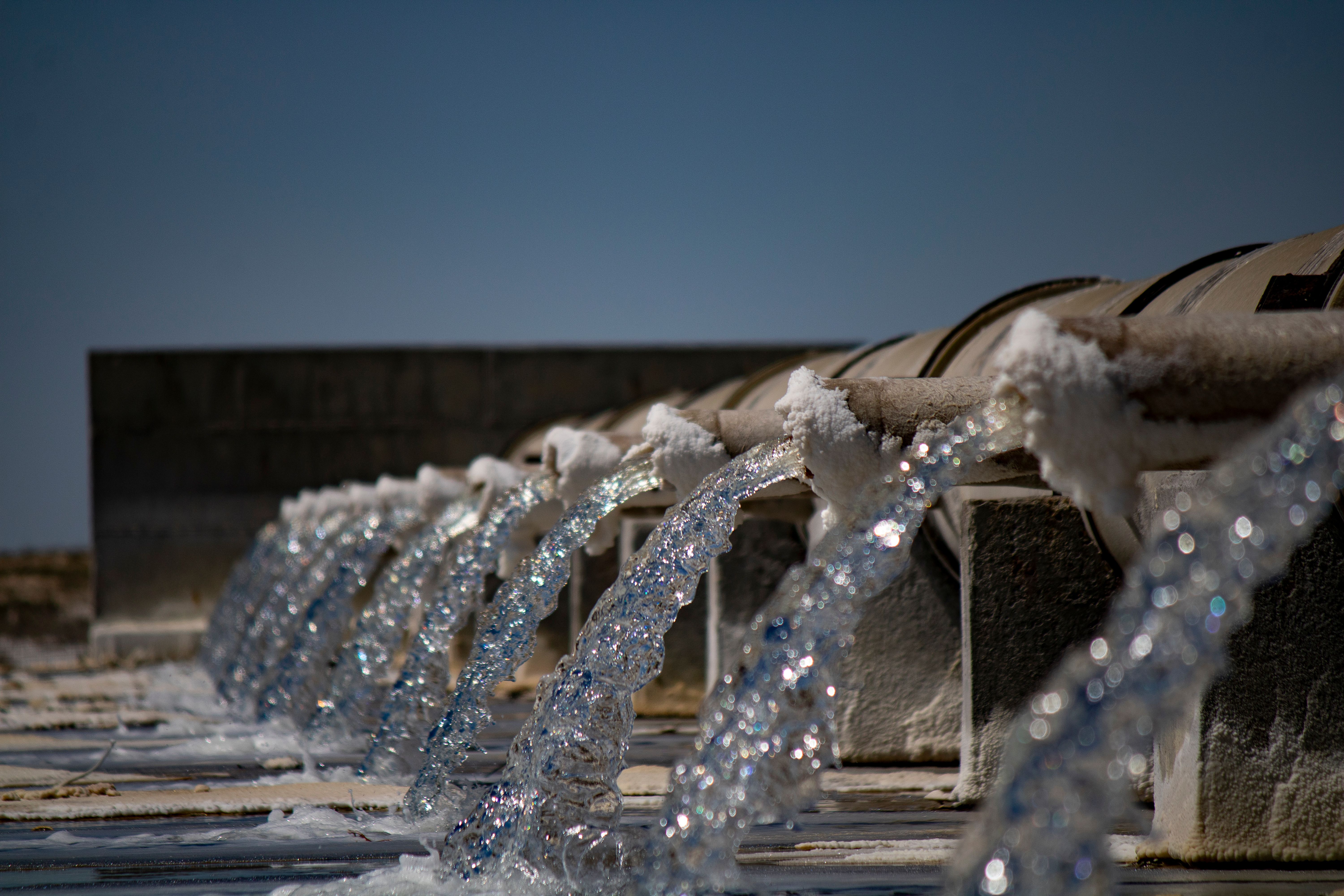
A frozen pipe that bursts is one of the genuinely awful things that can happen to a house in winter. It's not just the water — though the flooding alone is bad enough — it's the structural damage to floors, basements, and walls that follows, and the repair bill that lands on top of it. Winter is simply not kind to plumbing, and pipes that haven't been winterized are the ones that fail. The frustrating part is that almost all of it is preventable with a handful of straightforward steps. So I treat pipe protection as the one winterizing job I never let slide.
The approach depends a little on whether the house will be occupied or empty, but the core moves are the same: get the water out where I can, insulate what stays, keep things moving on the coldest nights, and watch for early warning signs. Here's how I keep my pipes freeze-free.
Drain the system if the house will sit empty
If I'm leaving the house for a stretch — a vacation home, a long trip — the safest plumbing is plumbing with no water in it. I shut off the water supply, then open the indoor faucets and showers to let the lines drain. I empty the toilet tanks, scoop water out of the bowls, and add antifreeze to whatever residual water's left. An air compressor blows out the water hiding in the lines that gravity won't clear.
Then I deal with the outside plumbing. I find the shut-off vent — often in the basement — turn off the outdoor faucets to drain, and don't forget the in-ground sprinkler system, which holds water that'll freeze and crack just like any other line. Once I'm confident there's no water left anywhere to freeze, I close everything back up. An empty system can't burst.
Insulate the exposed and unheated runs
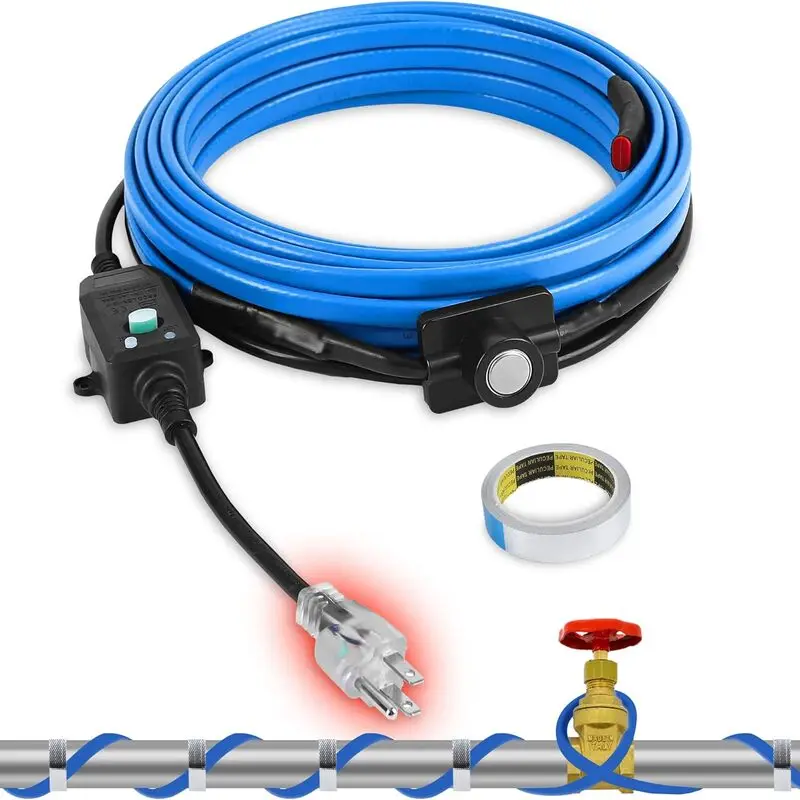
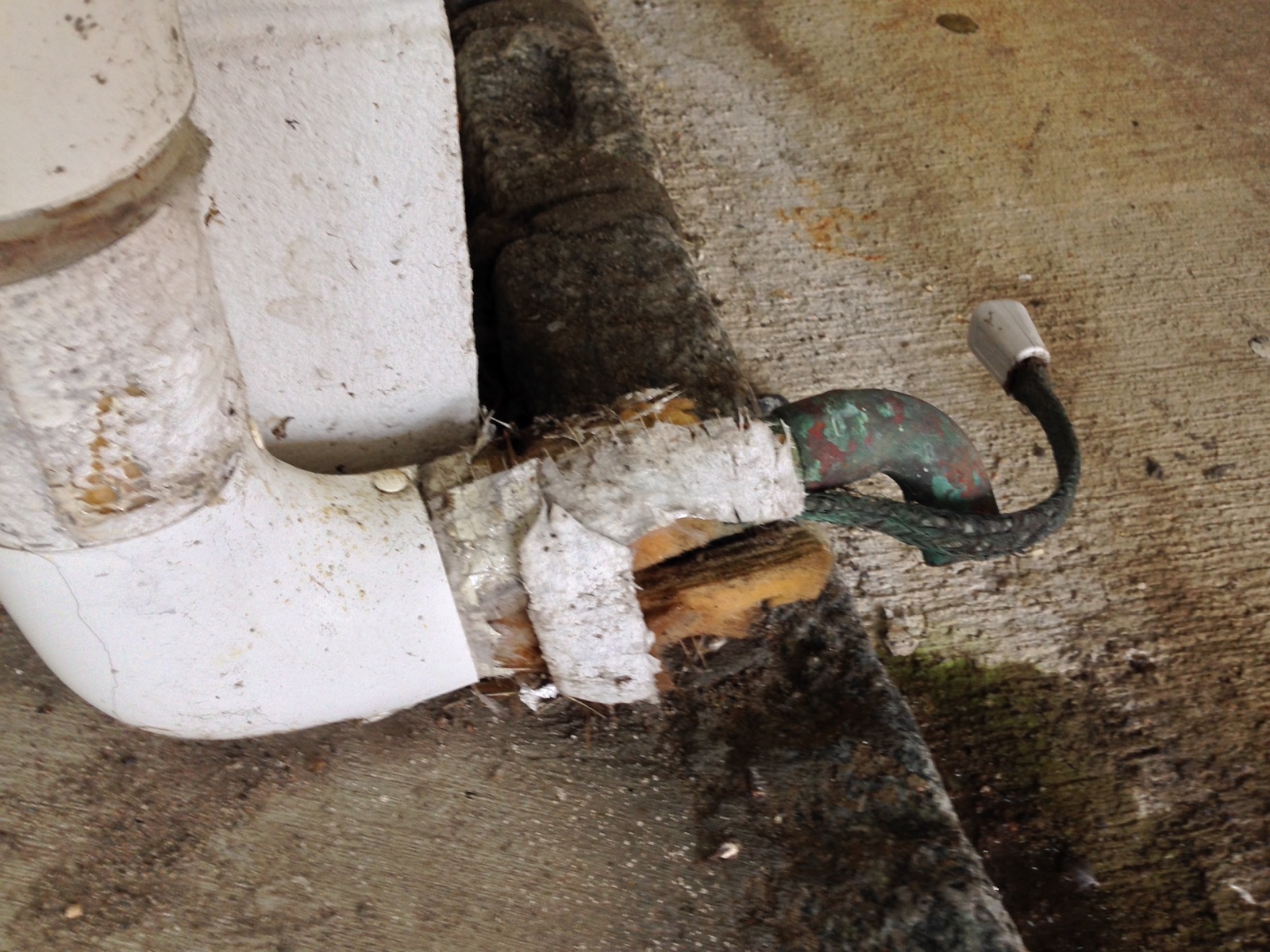
For pipes that stay in service, insulation is the front line — especially the ones running through unheated spaces like the garage, basement, and crawl spaces, where the cold gets at them hardest. I wrap those exposed runs, and for the spots most at risk I use heat tape for pipes, a heat-producing electrical cord that keeps the line warm enough to never freeze. Outdoor faucets get wrapped too, with outdoor faucet covers over the bibs themselves.
Where I don't need heated tape, simpler foam pipe insulation sleeves do the job — molded foam rubber that slips right over the pipe. Rags, fiberglass, even plastic wrapping all work in a pinch, but the foam sleeves are cheap, fast, and effective, so that's usually what I reach for.
Let it drip on the coldest nights
On the nights the temperature really plunges below freezing, I leave a faucet cracked so water keeps trickling through the lines. Moving water is far harder to freeze than still water, and a steady drip is often all it takes to keep a vulnerable pipe open through a brutal cold snap. It doesn't need to be a stream — tiny drips are enough.
Yes, it nudges the water bill up a little. But weighed against a burst pipe and a flooded floor, a few cents of running water is the easiest insurance I'll ever buy. On the worst nights of the year, I'd rather hear that faucet dripping.
Inspect early and monitor all winter
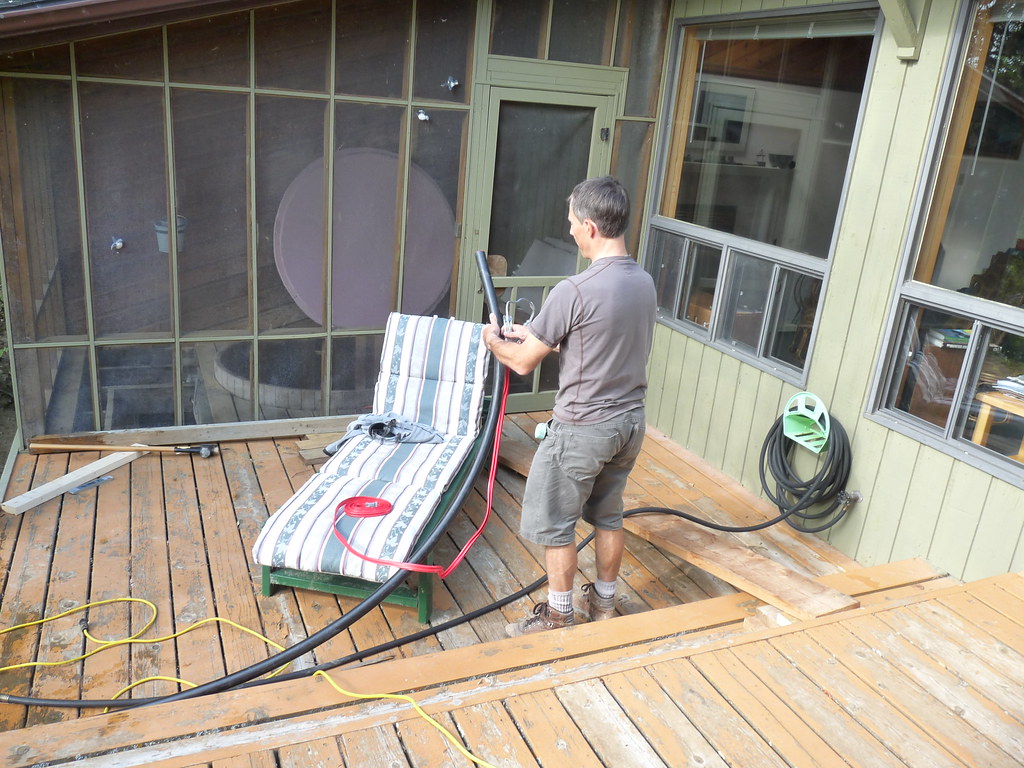
Prevention starts before the cold arrives. Cracked, worn pipes are the ones that fail first, so I inspect early and replace or seal anything questionable before winter sets in, caulking around the pipes to head off leaks. A little pipe sealant on a suspect joint now is cheaper than a flood later.
Through the season, I keep an eye on the water flow. If a faucet somewhere in the house suddenly runs dry, that's a red flag for a frozen pipe — and I go looking in the usual cold spots: the basement, the crawl space, under the kitchen and bathroom cabinets. When I find a frozen section, I thaw it gently with a hair dryer, never an open flame. If the whole house loses water, that's beyond a DIY thaw, and I call a plumber to track down the freeze in the service line. Pipes need winter protection the same way I need a coat — give them that, and the worst household disaster of the season just doesn't happen to me.
Ready to shop? Compare heat tape for pipes across stores → 📚 Or browse home & garden guides in Digital Goods →
