Keeping a Flower Garden Blooming All Season Without Babying It
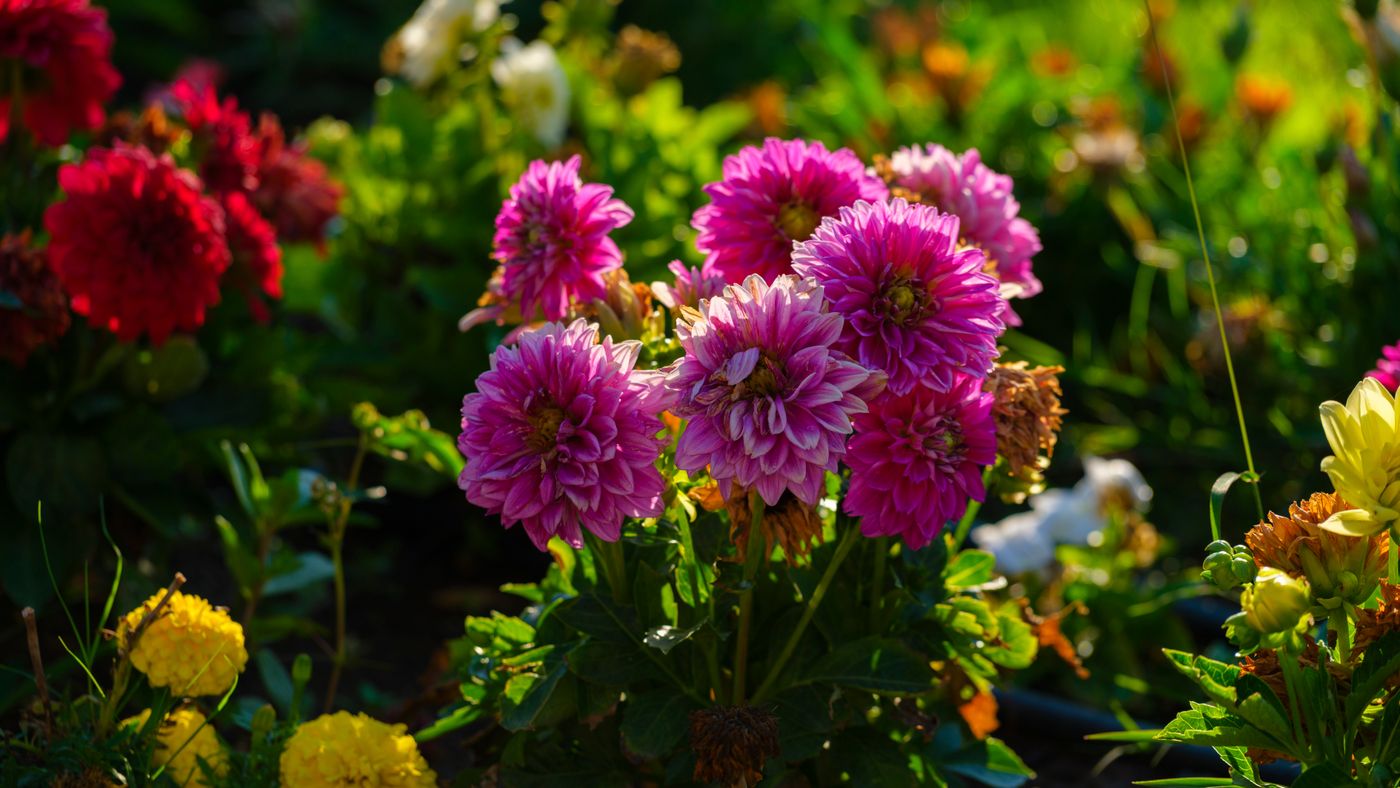
I have killed more flowers through fussing than through neglect, and it took me three seasons to admit it. The healthiest beds I've ever grown were the ones I left mostly alone after planting them right.
Most flower-garden advice reads like a checklist of chores designed to keep you anxious. The truth is simpler and a little freeing: get the basics correct at planting time, do two or three small things weekly, and your beds will carry color from late spring well into autumn. Here's what I actually do, and where I've stopped wasting effort.
The three things that aren't optional
Water, light, and soil. That's the whole foundation, and almost every sad-looking flowerbed I've been asked to diagnose is short on one of them. Most flowering plants want at least six hours of direct sun. If you're trying to force sun-lovers into a shady corner, no amount of fertilizer will fix it — move the plant or change the plant.
Watering is where people overcorrect in both directions. During a dry spell I water deeply twice a week rather than a light sprinkle every day, because shallow watering trains roots to stay near the surface where they cook. A long soak from a good hose nozzle or a slow drip does more than a daily splash. If you're spreading water by hand, get a wand with a soft shower head — your wrist will thank you.
Planting depth matters more than people expect. Bulbs go at the depth on the label, and shrubs and perennials should never have soil or mulch mounded against the stem. I learned this the hard way with a fuchsia: I heaped mulch up around the base to "protect" it, the water ran off instead of soaking in, and the stem rotted from trapped heat. Keep a clean little moat around each stem.
Mix perennials and annuals so something is always opening
The single best decision for continuous color is refusing to commit to just one type. Perennials come back year after year but each variety only blooms for a window. Annuals burn bright for one season and quit. Plant only perennials and you get gorgeous bursts with dead stretches between; plant only annuals and you're replanting the whole bed every spring.

I interplant clumps of perennials with annuals filling the gaps. As one perennial fades, an annual is hitting its stride, and the bed never looks empty. A bag of good potting mix and a garden trowel is really all the gear you need to slot annuals into the spaces. It's cheap insurance against the mid-July slump.
Deadheading is the highest-return five minutes you'll spend
If I could only do one maintenance task, it would be deadheading. Snipping off a flower head once it wilts tells the plant to make more blooms instead of pouring energy into seed. On something like cosmos or petunias the difference is dramatic — a deadheaded plant will out-bloom a neglected one two to one.
A small pair of pruning shears makes this quick, though for soft stems your fingers work fine. One rule I never break: don't drop the spent heads onto the bed. Wet, decaying petals sitting on soil invite mildew and disease. I carry a little bucket and the trimmings go straight to the compost, never left lying around the plants.
Learn which bugs are on your side
The instinct to reach for insecticidal soap at the first sign of a bug is usually wrong. Most insects in a flower garden are doing you favors. Bees, beetles, and butterflies are pollinators — roughly four out of five flowering plants depend on insects to reproduce, so spraying indiscriminately kills the very things keeping your garden going.
Sowbugs and dung beetles, along with the fungi and bacteria you can't see, break down dead plant matter and feed nutrients back into the soil. Lacewings and dragonflies hunt the actual villains — aphids and the like. So before you treat anything, identify it. I keep a cheap magnifying loupe in my apron and spend a minute looking before I do anything drastic. Nine times out of ten the answer is to leave the bug alone and let the predators handle it.

Light feeding and honest pruning
An occasional dose of liquid plant fertilizer while plants are flowering keeps the show going longer, but moderation is the whole game. Overfeeding gives you lush leaves and few flowers, plus runoff you don't want. I feed lightly every couple of weeks during peak bloom and stop there.
Prune anything dead or damaged the moment you notice it. Fuchsias in particular snap if you brush past them — but a broken branch isn't waste. I pot up the snapped piece, keep it watered, and more often than not it roots into a whole new plant. A clean cut with sharp shears and a bit of rooting hormone turns an accident into free stock.
That's genuinely the core of it. Get the planting right, deadhead religiously, feed with a light hand, and trust the bugs that earn their keep. A flower garden doesn't need you hovering — it needs a few good habits and the discipline to stop fiddling. Mine looks better the year I do less, and I suspect yours will too.
Ready to shop? Compare garden trowel across stores → 📚 Or browse home & garden guides in Digital Goods →