How to Winterize Your Lawn and Garden

When the cold season arrives, we prepare our homes, cars, and ourselves for low temperatures — but what about our beloved lawn and garden? Winterizing your lawn and garden is all about keeping it alive and healthy until the following year. Contrary to what many people think, winter doesn't kill your lawn or garden; during this period, the grasses are simply hibernating, like some animals do. With the right fall preparation, your lawn and garden survive the cold and burst back to life in spring, healthier than ever. Here's how to winterize your lawn and garden the right way.
Timing is everything
The most important principle of winterizing your lawn is timing. You want to prepare it before the ground freezes, but not so early that it's still actively growing. The goal is to give your grass and plants adequate time to absorb as much sunlight, water, and nutrients as they can before they go dormant — so they enter winter strong and store up reserves for spring. Winterize too late and the ground is already freezing, too early and you miss the late-season growth. Pay attention to your local climate and aim for that window in fall when growth is slowing but the ground hasn't yet frozen. Getting the timing right sets up everything else for success.
Feed your lawn before dormancy
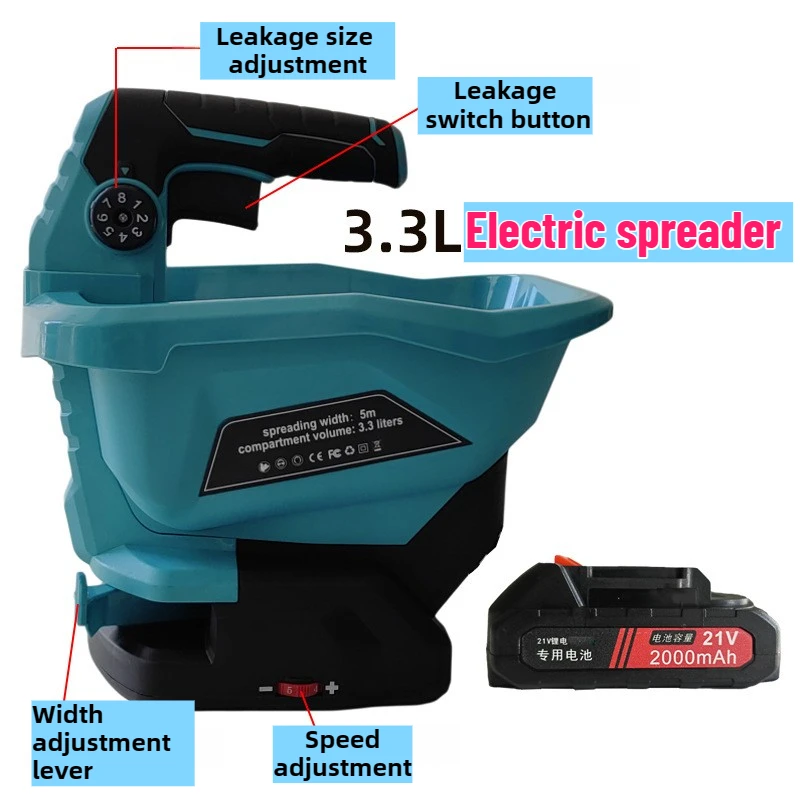
One of the best things you can do for your lawn is give it a final feeding before it goes dormant. A fall/winter winter lawn fertilizer (often higher in potassium) helps the grass store nutrients in its roots, strengthening it against the cold and setting it up to green up quickly and vigorously in spring. This "winterizer" feeding is timed for late fall, when the grass is still absorbing nutrients but growth has slowed. Feeding your lawn at this crucial moment is what allows it to thrive through dormancy rather than merely survive — it's one of the highest-impact steps in winterizing your lawn, rewarding you with a healthier lawn next year.
Mow and clear leaves
Prepare the lawn's surface for winter by mowing and clearing. Give the lawn a final mow, cutting it slightly shorter than usual for the last cut (but don't scalp it) — long grass left for winter can mat down and invite disease and pests under snow. Crucially, clear away fallen leaves, which smother the grass, block light and air, trap moisture, and breed disease if left to sit all winter. Rake them up or mulch them with the mower (shredded leaves can actually feed the lawn). A clean, properly-cut lawn going into winter is far less prone to the matting, mold, and damage that an unkempt one suffers under snow.

Aerate and overseed if needed
Fall is an excellent time to aerate and overseed a lawn that needs it. Aerating (pulling small plugs of soil) relieves compaction and lets water, air, and nutrients reach the roots, strengthening the lawn for winter and spring. Overseeding thin or bare patches in fall lets the new grass establish before winter and fill in come spring. These steps aren't always necessary every year, but for a lawn that's compacted, thin, or patchy, doing them in fall as part of winterizing pays off with a thicker, healthier lawn next season. Combined with feeding, fall aeration and overseeding set up a noticeably better lawn.
Prepare your garden beds
Your garden beds need winterizing too. Clean up spent annual plants and vegetable plants (dead foliage can harbor pests and disease over winter), but consider leaving some perennials and seed heads standing for winter interest and to shelter beneficial insects and birds. Add a layer of garden mulch over beds to insulate plant roots from freeze-thaw cycles, suppress weeds, and enrich the soil as it breaks down. Mulching is especially important for protecting perennials, bulbs, and the crowns of plants through winter. A well-prepared, mulched garden bed comes through winter with its plants protected and its soil improved, ready for a strong spring.
Protect vulnerable plants
Some plants need extra protection from winter's cold. Tender perennials, young trees and shrubs, and plants at the edge of their hardiness may need wrapping with burlap, covering, or extra mulch around their base. Container plants are especially vulnerable (roots in pots freeze more easily than in the ground), so move them to sheltered spots, group them together, or insulate the pots. Roses and other plants prone to winter damage benefit from mounding mulch or soil around their base. Identifying and protecting your most vulnerable plants prevents the heartbreak of losing them over winter, ensuring your garden returns intact in spring.
Tend to tools and irrigation
Finally, winterize your garden equipment and water systems. Drain and store hoses, shut off and drain outdoor faucets and any irrigation or sprinkler systems to prevent freeze damage to the pipes, and bring in or cover anything that won't survive winter. Clean your garden tools before storing them, and consider sharpening and oiling them so they're ready for spring. Drain the fuel or winterize your lawn mower per its instructions. Taking care of tools and irrigation protects your investment and means everything's ready to go when gardening season returns — a tidy end to the season that pays off come spring.

What I'd skip
Skip thinking winter kills your lawn — it's dormant, not dead, and proper care helps it thrive. Skip the timing window; feed and prepare before the ground freezes but after growth slows. Skip leaving fallen leaves to smother the grass all winter. And skip neglecting outdoor faucets and irrigation, which crack when the water inside freezes.
The honest answer
Winterizing your lawn and garden keeps them alive and thriving through dormancy so they rebound beautifully in spring: time it for the fall window before the freeze, feed the lawn a final winterizer, mow and clear leaves, aerate and overseed if needed, clean up and mulch your garden beds, protect vulnerable plants, and winterize your tools and irrigation. Winter doesn't kill a well-prepared lawn and garden — it just rests them. Do the fall prep, and your green space comes back next year healthier and more vigorous than ever.
Ready to shop? Compare winter lawn fertilizer across stores → 📚 Or browse home & garden guides in Digital Goods →