How to Plan a Garden Landscape Before You Touch a Shovel

Most landscaping regrets I've heard about come from the same root cause: moving too fast. Someone got excited, hired a contractor or rented a machine, and was three days in before realising the design didn't fit how they actually use their outdoor space. The planning stage is frustrating because nothing visible is happening. It's also where you save the most money.
Clarify How You Actually Use the Space
Before any plant or material decision, answer a few basic lifestyle questions about what the finished garden needs to do. Is there a spot for entertaining — a table, chairs, somewhere to put a barbecue? Do kids need a clear running area, or is there a dog that will destroy beds if they're not fenced? A water feature, a fire pit, a vegetable section?
These aren't decorative questions — they dictate where hardscape goes versus planting, and they should lock in before you start drawing. A formal garden plan with beautiful symmetrical beds is useless if it occupies the exact space where three kids need to kick a ball.
Focus your design energy on the areas you actually use and see regularly, not the distant corners. A tight, well-executed garden near the house is better value than an expansive plan that spreads your budget and attention too thin.
Match the Style to the House
Garden style should read as an extension of the house, not a contrast to it. A formal garden — straight lines, geometric beds, structured hedges — suits a period or classic-style home but can look fussy against a relaxed rural property. A woodland style with layered planting and loose edges works beautifully around a cottage but can look unfinished against a sharp-lined contemporary build.
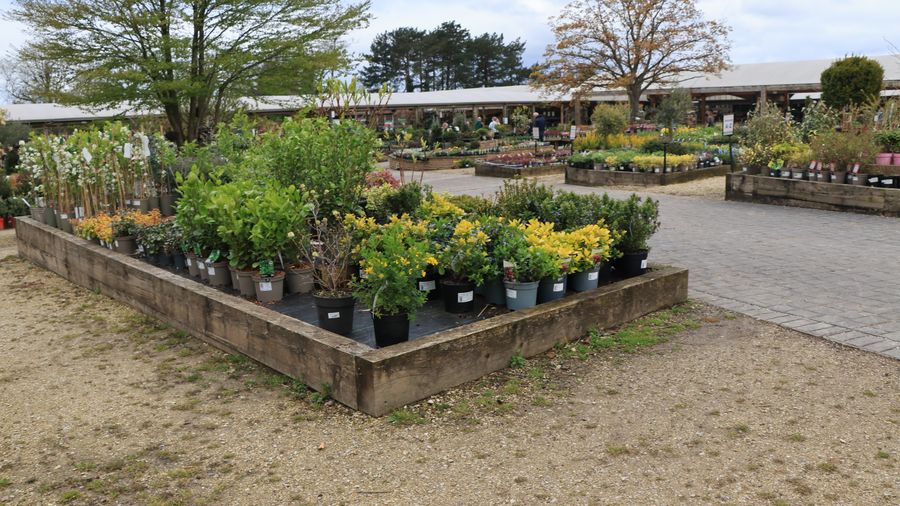
The main landscaping styles worth knowing: formal (straight edges, repeated plantings, clipped hedges), informal or cottage (curved beds, random planting, relaxed feel), English (emphasis on harmony between architecture and plantings), oriental (rocks, water, evergreens, minimal colour), and woodland (layered, naturalistic, suited to sloped or shaded ground).
You don't have to commit to a pure style — most residential gardens are informal blends. But having a vocabulary for what appeals to you makes conversations with nurseries and contractors much more productive.
When to Hire, When to Go Alone
For a simple rectangular garden, free design resources from reputable nurseries or online planning tools are genuinely adequate. Most nursery staff will sketch a basic layout if you bring dimensions, photos, and a clear brief.
Where a professional landscape designer earns their fee is on awkward sites: steeply sloped blocks, extreme drainage problems, heritage properties with restrictions, or very large areas where engineering choices about levels and drainage have expensive consequences if wrong.
The one thing a pro can do that online resources can't is tell you what not to do on your specific site. On a problematic block, that knowledge can save multiples of the consultation cost.

What I'd Skip
I'd skip laying permanent garden edging before you've lived with the bed shapes for a season. Straight steel or concrete edging is hard to reverse. Temporary rope or hose laid on the ground to mark bed edges costs nothing and lets you refine curves before committing.
I'd also skip expensive low-maintenance plantings that look good in photos but require specific conditions your site might not have. "Low maintenance" in a climate very different from yours is not low maintenance.
**Bottom line:** Spend a weekend on paper before you spend anything on contractors or materials. Lifestyle questions first, style second, plant selection last. garden planning tools and free nursery advice cover most scenarios without paying for design.
Ready to shop? Compare Home & Garden across stores → 📚 Or browse home & garden guides in Digital Goods →