How to Buy a Greenhouse Without Overpaying or Regretting It

I bought a cheap greenhouse once. It lasted exactly until the first real wind, which folded it like a lawn chair and scattered my seedlings across two neighbors' yards. The "savings" cost me the greenhouse and the plants.
A greenhouse is one of those purchases where the cheapest option is frequently the most expensive, because you buy it twice. But the high-end glass houses are genuine overkill for most home gardeners. Here's how I'd shop for one now, knowing what I know.
First, be honest about what you'll use it for
The single biggest money-waster is buying more greenhouse than your actual gardening justifies. If you mainly want to start seeds in spring and harden off seedlings, you need something small and warm, not a walk-in palace. If you want to overwinter tender plants or grow tomatoes through autumn, that's a different and bigger machine.
For seed-starting and season extension, a compact mini greenhouse or a tiered portable greenhouse with a zip cover does the job for under a hundred dollars. They're not pretty and they won't survive a decade, but for getting tomatoes and peppers going six weeks early, they're shockingly effective. I still use a four-shelf one every March even though I now own a real structure.
What to skip at this tier: the tiniest "greenhouse" units the size of a bookshelf. They overheat in minutes on a sunny day and cook whatever's inside. If you can't fit your hand in to vent it, it's a terrarium, not a greenhouse.
Glazing: where your money actually goes
The covering — the "glazing" — is the heart of the decision. Your three real options are polyethylene film, twin-wall polycarbonate, and glass.

Film is cheapest and works, but it degrades under UV and you're re-covering every few years. Glass looks beautiful, lets in the most light, and lasts forever, but it's heavy, expensive, fragile, and a hailstorm or a stray cricket ball turns it into a hazard. For most people, twin-wall polycarbonate is the sweet spot: it diffuses light evenly (which plants actually prefer over harsh direct sun), insulates better than single-pane glass thanks to the air gap, and won't shatter. A solid polycarbonate greenhouse hits the right balance of durability and price.
If you do go glass, go toughened safety glass, never horticultural single-pane that breaks into daggers. Honestly, unless aesthetics genuinely matter to you, I'd put the glass budget into a sturdier frame and better polycarbonate instead.
The frame is what survives the storm
Here's where my lawn-chair disaster came from: a flimsy frame. Powder-coated aluminum or galvanized steel is what you want. Resin and thin tube-aluminum kits feel fine in the store and fail in the first gale.
Whatever frame you choose, the anchoring matters as much as the frame itself. A greenhouse must be bolted to a base — a concrete footing, a wood-frame perimeter, or proper ground anchors. The number of "blew away" reviews on otherwise-decent greenhouses almost always trace back to owners who set them on bare grass and hoped. If you're handy, a simple greenhouse base kit or even pressure-treated timber bolted to ground screws will outlast the structure.
A walk-in walk in greenhouse in aluminum and polycarbonate, around 6x8 feet, is the size most home gardeners are happiest with long-term. Big enough to stand and work in, small enough to heat and not break the bank.

Don't forget ventilation, or you'll cook everything
New greenhouse owners obsess over keeping heat in and forget that the bigger daily risk is overheating. A sunny spring day can push an unvented greenhouse past 100°F fast. You need a roof vent, and ideally an automatic one.
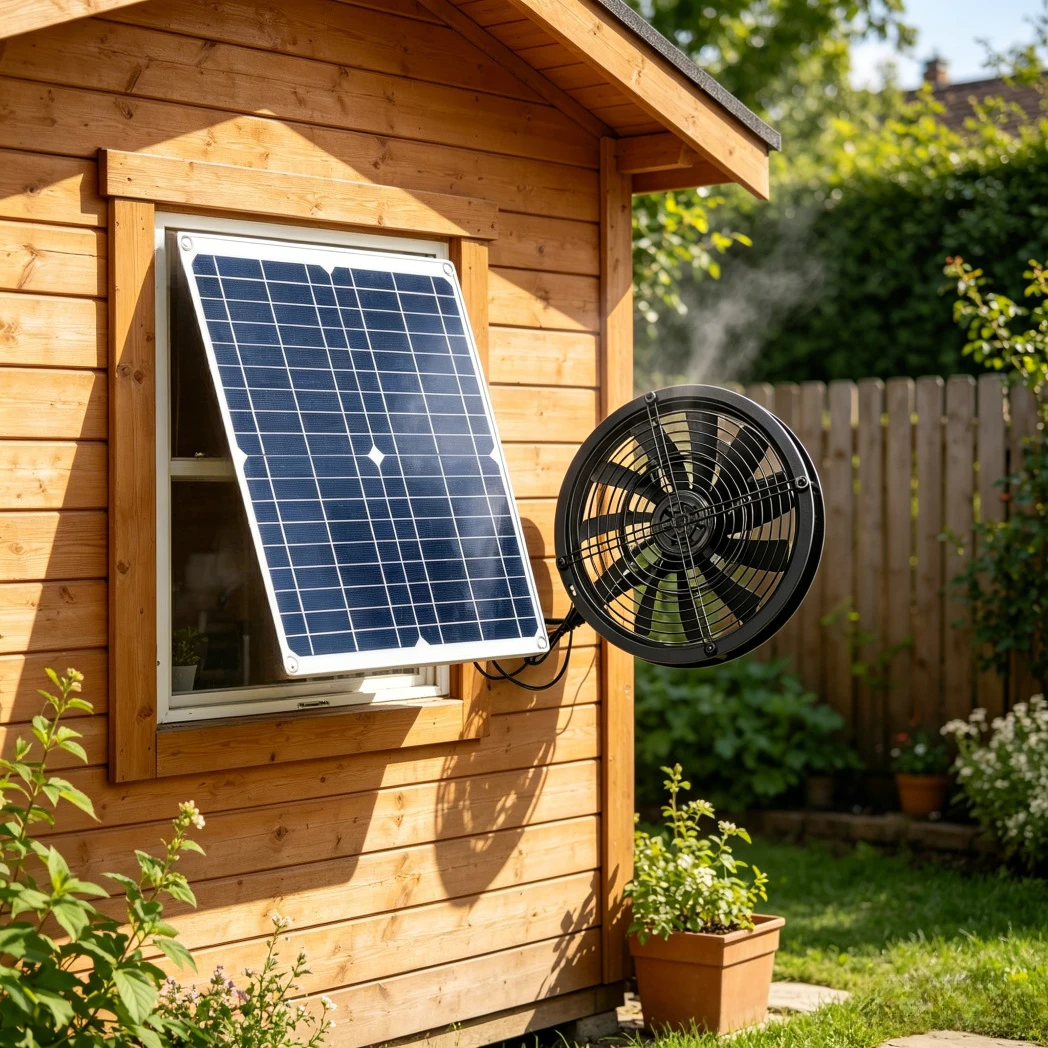
A solar-powered greenhouse vent opener — a wax-cylinder piston that opens the vent as it warms and closes it as it cools, no electricity needed — is the best $30 you'll spend. It quietly saves your plants on the days you're at work. Add a greenhouse thermometer with min/max memory so you actually know what's happening in there, and on the hottest stretches a small greenhouse heater for cold snaps if you're pushing the season at both ends. Inside, a few rows of greenhouse shelving turn the floor space into three times the growing area.
What I'd actually buy
If you're testing whether you even like greenhouse growing, start with a sub-$100 zip-cover unit and a vent thermometer. You'll learn what you want without the commitment. If you already know you're in it for the long haul, skip straight to a 6x8 polycarbonate-and-aluminum walk-in, anchor it properly to a base, and add an automatic vent opener on day one.
The trap to avoid in both cases is the middle-ground "looks like a real greenhouse but built like a tent" kit — flimsy resin frame, single-layer film, no proper anchoring, priced just high enough to feel like a real purchase. That's the exact category my lawn-chair regret came from. Spend less and admit it's temporary, or spend right and buy it once.
Ready to shop? Compare greenhouse vent opener across stores → 📚 Or browse home & garden guides in Digital Goods → 🏷️ Shop direct from our partner Bloomcabin USA →