The Gardening Tools Actually Worth Buying (and the Ones You Can Skip)

Garden centres are very good at selling you tools you'll use twice. After years of buying the wrong ones, I've settled on a short list that does almost everything — and a longer list of things I wish I'd never bought.
The honest truth is that a small garden and a large one need different kit, and the single biggest mistake is buying for the garden you imagine instead of the one you have. A ride-on mower for a strip of lawn is a parked ego. Start with the size of your plot and who's actually doing the work, then buy for that.
The six tools that do 90% of the work
Secateurs (hand pruners). secateurs The one tool you'll touch every single time you're out there. Buy a pair with blades you can sharpen or replace, a tension adjuster, and a size that fits your hand — not the biggest one on the rack. Bypass pruners (two blades that pass like scissors) make cleaner cuts on living stems than anvil types. A good pair lasts a decade; a cheap one crushes stems and spreads disease.
A spade and a fork. A garden spade has a flat blade for cutting clean edges, digging, and dividing plants — keep its edge sharpened and it slices instead of tearing roots. A garden fork turns compost, breaks up heavy soil, and lifts root crops. Here's where price actually matters: cheap forks bend the first time they meet clay. Buy sturdy once.
A pruning saw. For anything thicker than a finger that secateurs can't manage. The narrow curved blade slips between branches and cuts on the pull stroke. Cheap and worth having before you reach for a chainsaw you don't need.
A hoe. A Dutch (push) hoe is the kind one to buy — you skim it just under the surface to slice off young weeds, and the pushing action doesn't jar your neck and shoulder the way a chopping hoe does. Ten minutes a week with one beats an afternoon of hand-weeding.
A metal rake. The stiff flat-headed kind with metal tines, for levelling a bed and combing out stones and clods. The springy plastic leaf rake is a separate, cheaper job — gathering leaves and clippings only. Don't try to make one do both.
Gloves: the cheapest tool that prevents the most misery
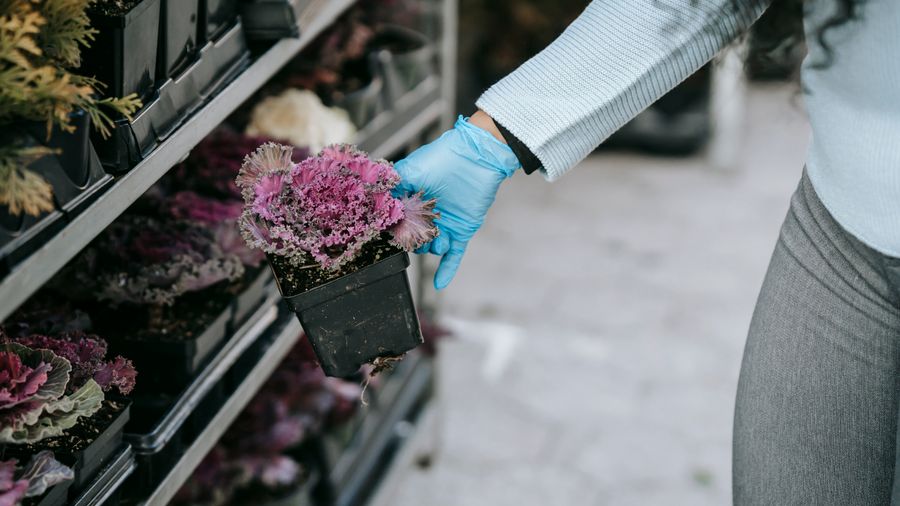
Bare hands quit a garden faster than a sore back. Match the garden gloves to the job: breathable leather-with-cloth-back for general digging and pruning; cotton-lined rubber if mud bothers you; neoprene (not thin latex) when you're handling anything chemical; gauntlet-length pairs for roses so the thorns don't shred your forearms; and thin, close-fitting gloves for transplanting seedlings so you can feel the fragile roots. And they have to fit — if you have small hands, the children's range often fits better than a flapping adult pair.
What about hydroponics gear?
If you're tight on outdoor space or want to grow herbs and greens indoors year-round, a small hydroponics kit is a genuinely fun entry — plants grow in a nutrient solution instead of soil, there's no weeding, and a pump and timer automate most of it. Keep the solution at pH 5–6, give the plants strong light (a grow light if the window won't do it), and you'll get fast, clean yields on a countertop. It's a different hobby than a backyard bed, but a satisfying one.

What I'd skip
Skip the 40-piece "garden tool set" — half of it is filler you'll never unwrap. Skip powered hedge trimmers unless you actually have a hedge. Skip buying everything new: flea markets, estate sales and garage sales are full of old steel forks and spades that are better made than most new ones — a few minutes with a file brings them back. And skip the gimmick tools marketed for one oddly specific task; a sharp spade already does it.
The honest answer
Six good tools, a pair of gloves that fit, and a sharpening file will out-garden a shed crammed with bargain-bin gadgets. Buy the pruners, spade and fork well — sharpen them, oil the hinges, bring them in out of the rain — and they'll outlast the garden you bought them for.
Ready to shop? Compare garden spade across stores → 📚 Or browse home & garden guides in Digital Goods →