Fall Garden Cleanup: What to Pull, Compost, and Leave for Spring
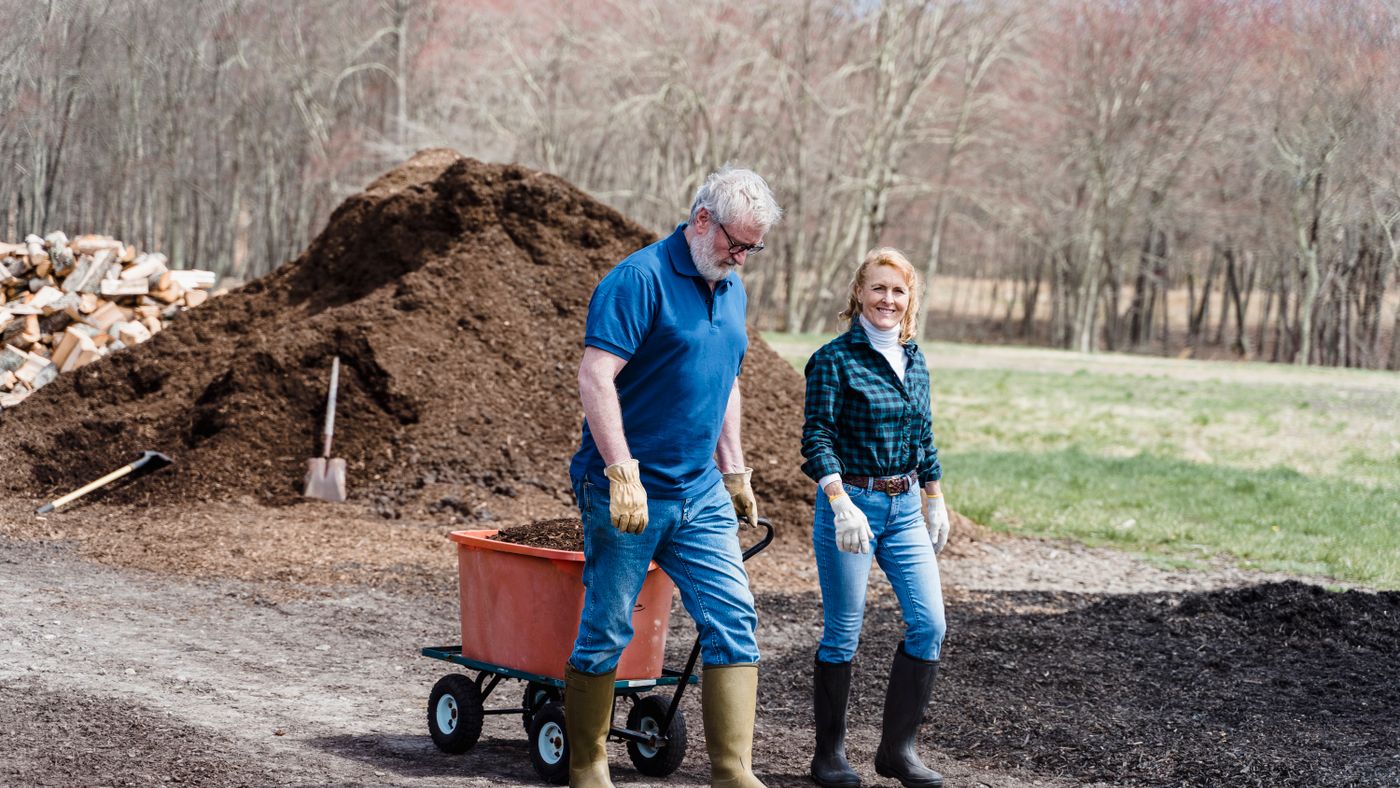
The conventional wisdom is to clear every dead plant from the garden in fall and start fresh in spring. I followed that advice for the first several years of gardening. Then I spent a winter reading about soil ecology and overwintering insects, and I stopped doing a full clearout. The garden has been healthier since — though it looked messier in November.
What should come out
Diseased plant material is the non-negotiable removal. Plants that showed powdery mildew, black spot, blight, or any obvious fungal problem need to go in the garbage, not the compost. The pathogens overwinter on dead plant tissue and re-infect next year's garden from the compost pile. It's not worth trying to hot-compost away the risk on anything you're uncertain about.
Weeds that have gone to seed are the second priority. A weed that's just leafy is mostly harmless if tilled in — it becomes green manure. A weed with seed heads already formed is a problem multiplied by hundreds if it goes into the compost or gets turned into the bed. Pull them and bag them. A garden weeder tool makes this go faster, especially for tap-rooted weeds like dandelion that need to come out whole.
What to compost vs what to leave
Healthy annuals — spent tomato vines without disease, finished bean plants, cleared corn stalks — are ideal compost material. The carbon-to-nitrogen ratio of dead vegetable plants is about right for a functional compost bin. Chop them small before adding if you want faster breakdown.
Perennial stems and seedheads are worth leaving until late winter or early spring. Hollow stems are overwintering habitat for native bees. Seed heads feed birds through the cold months. Standing dead stems also act as a light windbreak at the soil surface and help snow settle as insulation rather than blowing clear. The compromise if this bothers you aesthetically: cut stems to about twelve inches instead of clearing them to ground level.
Mulching for frost protection
Bare soil in winter loses heat faster and is more prone to heaving — the freeze-thaw cycle that pushes shallowly-planted bulbs and perennial crowns out of the ground. A three-inch layer of garden mulch over perennial beds after the ground has cooled (but before it freezes solid) insulates against temperature swings without trapping the moisture that causes crown rot. Straw, shredded leaves, and pine bark all work. Apply after a hard frost, not before — mulching too early keeps soil warm longer than you want and can delay hardening off of perennial roots.
Fall is also the window for planting spring bulbs: tulips, daffodils, alliums, hyacinths. The soil needs to be cool but workable. bulb planting tool makes quick work of the repetitive hole-digging. Depth is usually two to three times the bulb's diameter.
What I'd skip
Skip fertilizing in late fall. Nitrogen fertilizer applied when the soil is already cooling pushes new tender growth that gets frost-killed immediately, stresses the plant, and wastes money. Any fertilization should happen in early fall at the latest, and even then with a low-nitrogen formulation. Also skip the impulse to till everything deeply in fall. Light surface tilling is fine. Deep tilling disrupts the fungal networks and beneficial invertebrates that spend winter in the soil profile. Let the earthworms do their own tillage. The garden will be better for it.
Ready to shop? Compare Home & Garden across stores → 📚 Or browse home & garden guides in Digital Goods →