
Container Gardening: How I Turned a Bare Balcony Into a Garden

I didn't have a garden for the longest time. I had a small concrete balcony, a bit of railing, and a stubborn refusal to accept that meant I couldn't grow anything. Years later that balcony is a proper green sanctuary, and the thing I wish someone had told me at the start is that container gardening isn't a sad consolation prize for people without land. Done right, it's one of the most flexible, forgiving ways to garden there is. You can move it, change it, and start over in an afternoon.
Containers turn a busy city street, a rooftop or a bare balcony into a garden. A cluster of pots on a patio, a window box spilling over with small perennials, a single dramatic specimen by a doorway, it all counts, and it all works. Here's what I've learned, including the unglamorous mistakes that cost me plants.
The flexibility is the whole point
The thing that hooked me on growing in pots is how easily you can change your mind. With a container garden you can swap your whole colour scheme in a weekend, and as one plant finishes flowering you simply lift it out and drop another in its place. A bed in the ground commits you for a season; a pot commits you for as long as you feel like it.
To stop a collection of pots looking like a jumble, I learned to think the way you would about any planting: vary the height, mix the leaf shapes and textures, and use tall, strappy foliage as a vertical backdrop for low, wide-leaved plants in front. I also choose plants with a long flowering season where I can, or keep a few replacements waiting in the wings so there's always something coming into bloom as another fades. A few good garden planters in varied sizes give you far more design freedom than a row of identical pots, and a hanging plant basket or two adds a layer up at eye level.
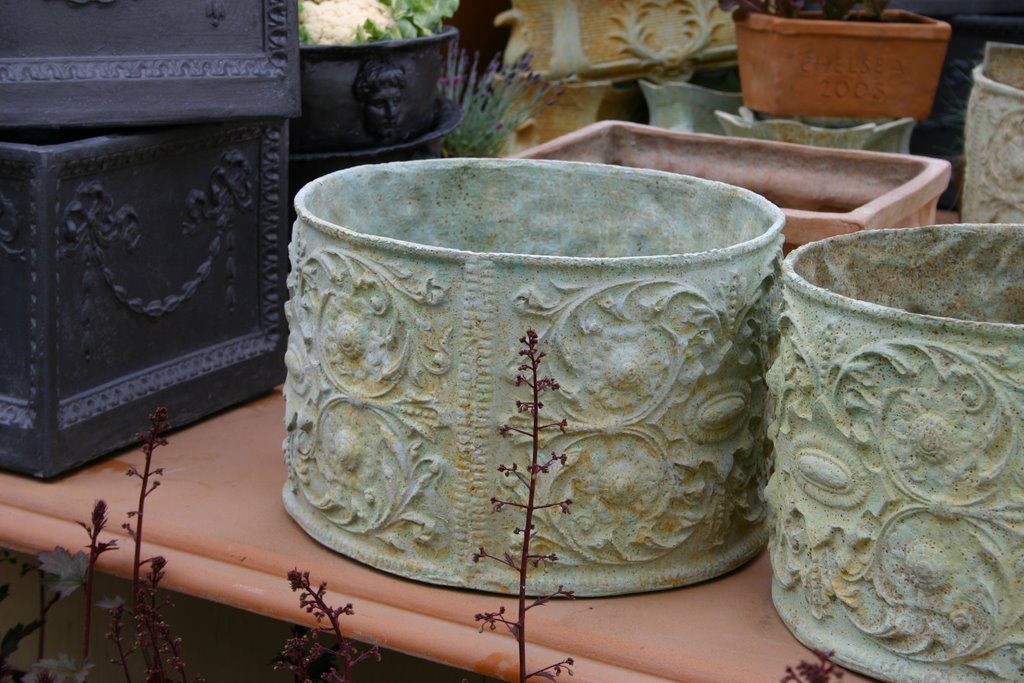
Choosing and preparing your containers
Almost anything that holds soil and drains can be a container, and the creative part is half the fun. I've planted up an old porcelain bowl and a copper urn, and I've built simple ones from timber and tile. But two practical lessons saved me a lot of grief. First, terracotta looks wonderful but is thirsty, the porous clay wicks water away and dries plants out fast, so I now paint the inside of terracotta pots with a sealer from the hardware store to slow that down. Cheap plastic pots, meanwhile, can be painted on the outside with water-based paint to look far better than they have any right to.
Second, and this one I learned by ruining a wooden floor: buy matching saucers. Pots drip, and those drips stain cement and rot timber. A saucer under each one is cheap insurance. Whatever the container, drainage holes are non-negotiable, because roots sitting in waterlogged soil rot. And always start with a good-quality potting mix rather than scooped-up garden soil; the right mix gives plants the best possible performance and is worth every cent. A bag of decent potting soil mix and a set of plant pot saucers are the least exciting purchases you'll make and two of the most important.
Right plant, right spot, right roots
The mistake that cost me the most plants was buying first and thinking about position second. There's no point putting a sun-lover in a shady corner; it will limp along and die, no matter how much you fuss over it. So now I decide where a pot is going to live before I buy what goes in it, then choose a plant that genuinely suits that light and shelter. It sounds obvious. I still see people do it backwards constantly, myself included for years.
The other thing to check is root size. Some plants have big, vigorous root systems that will quickly outgrow any reasonable pot and are honestly better off in open ground, so I leave those for people who have it and stick to plants happy in confinement. Containers also dry out far faster than beds, especially in summer and especially terracotta, so be honest with yourself about whether you'll keep up with the watering. A simple self watering planter has rescued more than one holiday for me, and a small watering can by the door makes the daily check a habit rather than a chore.
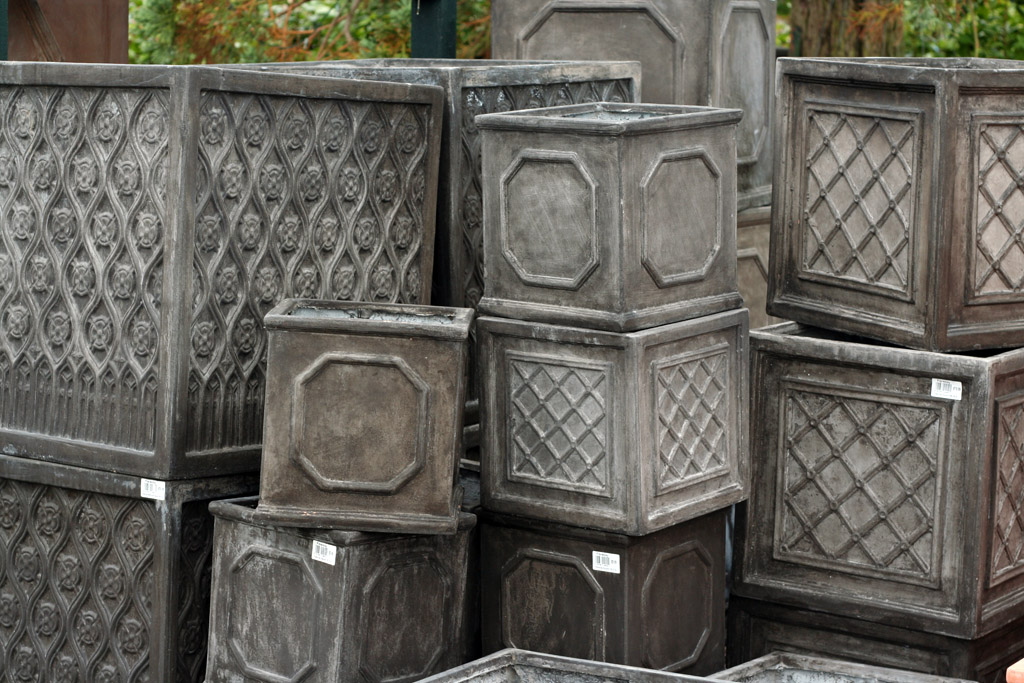
Arranging pots so they actually look good
Grouping is where a container garden goes from "some pots" to "a garden." The arrangement trick that works for me, and for most people, is odd numbers and variety. A group of three or five pots, varied in height and type, looks far more alive than two matching pots placed symmetrically on either side of a door, which almost always reads as boring unless the plants themselves are spectacular.
To tie a group together visually, I add a couple of large rocks similar in look but slightly different in size, which gives the cluster a sense of belonging together. Three or five pots of the same colour and type but in graduated sizes also looks deliberately styled rather than accidental. By the front door, a single off-to-one-side grouping beats a stiff matching pair almost every time, and on steps, one good pot per tread delights every visitor. None of it requires a yard, a budget or much space, just a bit of creativity and the willingness to move things around until they look right. Start with a few pots, get the drainage and the light right, group in odd numbers, and that bare balcony becomes somewhere you actually want to sit.
Ready to shop? Compare garden planters across stores → 📚 Or browse home & garden guides in Digital Goods →
