Closing Up a Vacation Home for Winter Without a Spring Disaster
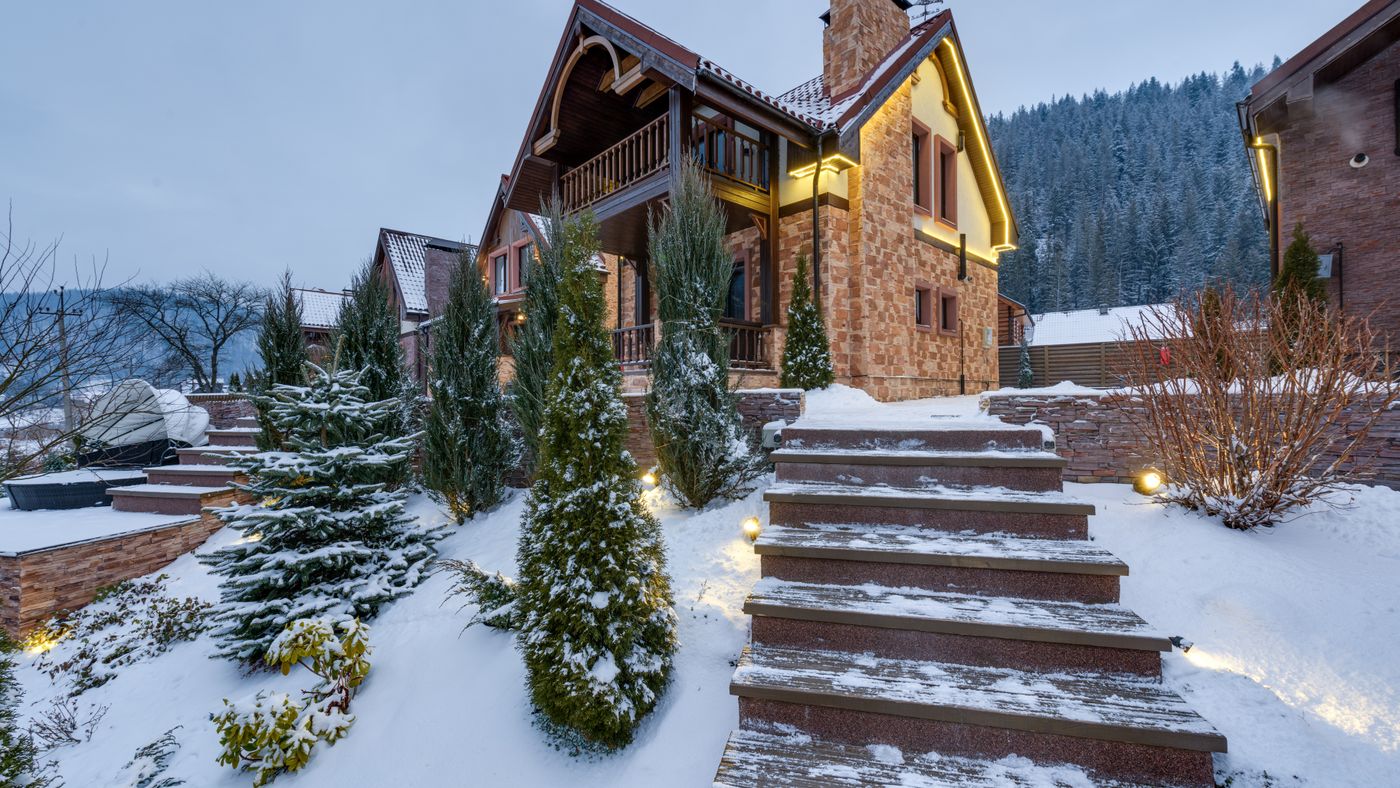
Closing up a vacation home for the winter is one of those jobs where the difference between doing it carefully and doing it casually shows up months later, all at once, as a flooded basement. An empty house with nobody checking on it is at the mercy of everything the cold throws at it — freezing pipes, hungry rodents looking for shelter, mold growing in the damp. None of it is dramatic in the moment. It's all quiet, and it all waits until I open the door in spring to reveal itself. So I treat the closing checklist as non-negotiable.
It's fussy work, I won't pretend otherwise. But every step on this list exists because skipping it has cost somebody a small fortune. Done methodically, it's a manageable afternoon, and it buys me a clean, dry, intact house to come back to.
Clear the gutters and seal the entry points
I start outside. Clogged gutters are how ice dams form — melting snow can't drain, refreezes, and backs up under the roofline. So I clear every leaf and twig out, and if leaves are a chronic problem with nobody around to clear them, I install gutter guard mesh so the channels stay open all winter. Then I prune back any tree limbs that could snap under snow load and land on the roof.
Next I think like a rodent. Mice and squirrels want a warm, empty house as badly as I'd want shelter in a storm, so I block every way in. A chimney cap keeps animals and debris out of the flue, and I seal gaps around vents and pipe penetrations. A clean yard with no nesting material near the foundation helps too.

Drain the water system completely
This is the step that prevents the flood, and it's the one I never rush. Water left in the lines freezes, expands, and bursts the pipes — and a burst pipe in an empty house can run for weeks before anyone notices. I shut off the water pump, then open every faucet to let the lines drain. To get the last of it, I run an air compressor through the system to blow out any water hiding in low spots, because gravity alone leaves enough behind to crack a pipe.
The toilets need their own attention. I empty the tank so it can't crack, scoop as much water out of the bowl as I can, and add plumbing antifreeze to whatever's left. The same antifreeze goes down sink and shower drains, since the traps hold standing water that'll freeze and split the fittings.
Insulate, de-clutter, and clear out anything perishable
With the plumbing safe, I make sure the house itself holds what little heat it has. Insulation in the attic stops heat loss through the roof, and insulation around basement pipes and walls adds a margin against freezing. Topping up attic insulation in the thin spots is cheap protection.
Then I empty the house of anything that rots, freezes, or attracts pests — food, drinks, medicine, cosmetics. It all goes home with me or in the trash. The refrigerator gets emptied, cleaned, unplugged, and propped open so it doesn't grow mildew and reek by spring. Every other appliance gets unplugged too. Outdoor furniture, the grill, and tools all come inside or get covered with protective furniture covers so winter doesn't wreck them.
Heat on low, or shut it down — pick one and commit
The last decision is the heating system, and there are two valid camps. Some owners shut it off entirely to save every dollar, which is fine if the plumbing is fully drained. Others — and I lean this way for a house prone to damp — leave the heat running at a minimum, around 62°F, to keep the interior dry and discourage mold and mildew from taking hold in my absence.
Either way works as long as I commit to it fully. The disaster scenario is the in-between: heat off but pipes not drained, or a thermostat set so low it can't keep up during a deep freeze. Pick the approach that matches how thoroughly I drained the water, do it completely, and the house sleeps safely through the winter and welcomes me back in one piece.
Ready to shop? Compare gutter guard mesh across stores → 📚 Or browse home & garden guides in Digital Goods →